Freedom Fighters · Head-to-head
Crazy Horse vs Yaa Asantewaa
Yes — based on their recorded years, Crazy Horse (c. 1840–1877) and Yaa Asantewaa (c. 1840–1921) were alive at the same time for at least part of their lives.

Crazy Horse
Crazy Horse was a Lakota war leader who fought to preserve his people's traditional way of life, playing a key role in the defeat of General Custer at the Battle of the Little Bighorn in 1876.
Key achievements
- Became a respected war leader of the Oglala Lakota by his twenties.
- Played a central role in defeating General George Custer's forces at the Battle of the Little Bighorn in 1876.
- Resisted the forced relocation of Lakota people onto reservations for years.
- Became one of the most enduring symbols of Native American resistance to U.S. expansion.
Fast fact
No confirmed authentic photograph of Crazy Horse exists; he reportedly refused to be photographed, and the mountain carving of the Crazy Horse Memorial in South Dakota was created decades after his death as a tribute.
Full profile of Crazy Horse →Yaa Asantewaa
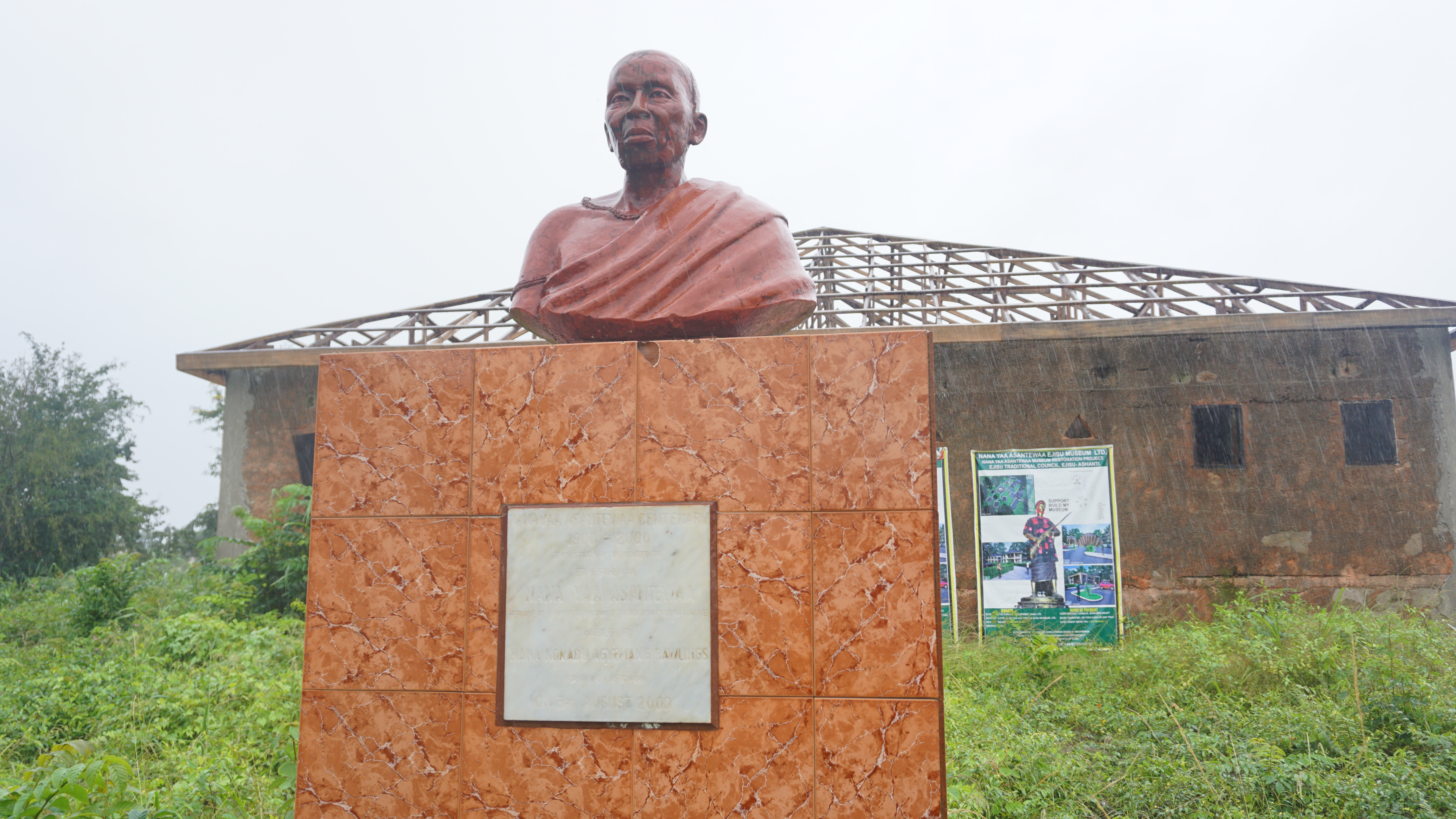
Yaa Asantewaa was a queen mother of the Ashanti Empire who led the War of the Golden Stool in 1900, one of the last major uprisings against British colonial rule in West Africa.
Key achievements
- Served as queen mother of Ejisu within the Ashanti Empire.
- Rallied and led Ashanti forces in the War of the Golden Stool against British colonial rule in 1900.
- Commanded thousands of fighters in a siege of the British fort at Kumasi.
- Was ultimately captured and exiled to the Seychelles, where she died in 1921.
Fast fact
Yaa Asantewaa led the 1900 War of the Golden Stool after British colonial officials demanded to sit on the Golden Stool, the sacred symbol of Ashanti sovereignty, an act that provoked fierce resistance.
Full profile of Yaa Asantewaa →Who lived first, Crazy Horse or Yaa Asantewaa?
Crazy Horse (c. 1840–1877) lived first, before Yaa Asantewaa (c. 1840–1921), based on their recorded years.
Were Crazy Horse and Yaa Asantewaa contemporaries?
Yes — based on their recorded years, Crazy Horse (c. 1840–1877) and Yaa Asantewaa (c. 1840–1921) were alive at the same time for at least part of their lives.
What do Crazy Horse and Yaa Asantewaa have in common?
Both Crazy Horse and Yaa Asantewaa are grouped among our Freedom Fighters figures and lived during the Modern Era.