Women in History · Head-to-head
Elizabeth I vs Nur Jahan
Yes — based on their recorded years, Elizabeth I (1533–1603) and Nur Jahan (1577–1645) were alive at the same time for at least part of their lives.

Elizabeth I
Queen of England and Ireland whose long reign gave its name to the Elizabethan era.
Key achievements
- Reigned as Queen of England and Ireland for over four decades
- Oversaw a period of cultural flourishing, including the works of William Shakespeare
- Led England to a naval victory against the Spanish Armada in 1588
- Stabilized the English throne after years of religious and political conflict
Fast fact
Elizabeth I was the last monarch of the House of Tudor.
Full profile of Elizabeth I →Nur Jahan
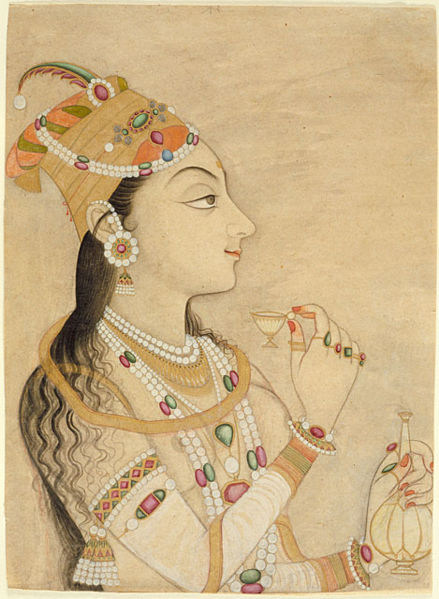
Nur Jahan was the chief consort of Mughal emperor Jahangir and is considered by many historians to have been the real power behind the throne during the final decade of his reign.
Key achievements
- Became the chief consort of Mughal emperor Jahangir in 1611.
- Exercised substantial political power behind the throne, especially during Jahangir's later years.
- Had coins minted bearing her own name, an unusual honor for a Mughal woman.
- Commissioned significant architectural and garden projects during her time at court.
Fast fact
Nur Jahan was one of the few women in Mughal history to have coins minted in her own name, a striking indication of the political authority she wielded during her husband's later years.
Full profile of Nur Jahan →Who lived first, Elizabeth I or Nur Jahan?
Elizabeth I (1533–1603) lived first, before Nur Jahan (1577–1645), based on their recorded years.
Were Elizabeth I and Nur Jahan contemporaries?
Yes — based on their recorded years, Elizabeth I (1533–1603) and Nur Jahan (1577–1645) were alive at the same time for at least part of their lives.
What do Elizabeth I and Nur Jahan have in common?
Both Elizabeth I and Nur Jahan are grouped among our Women in History figures and lived during the Renaissance.