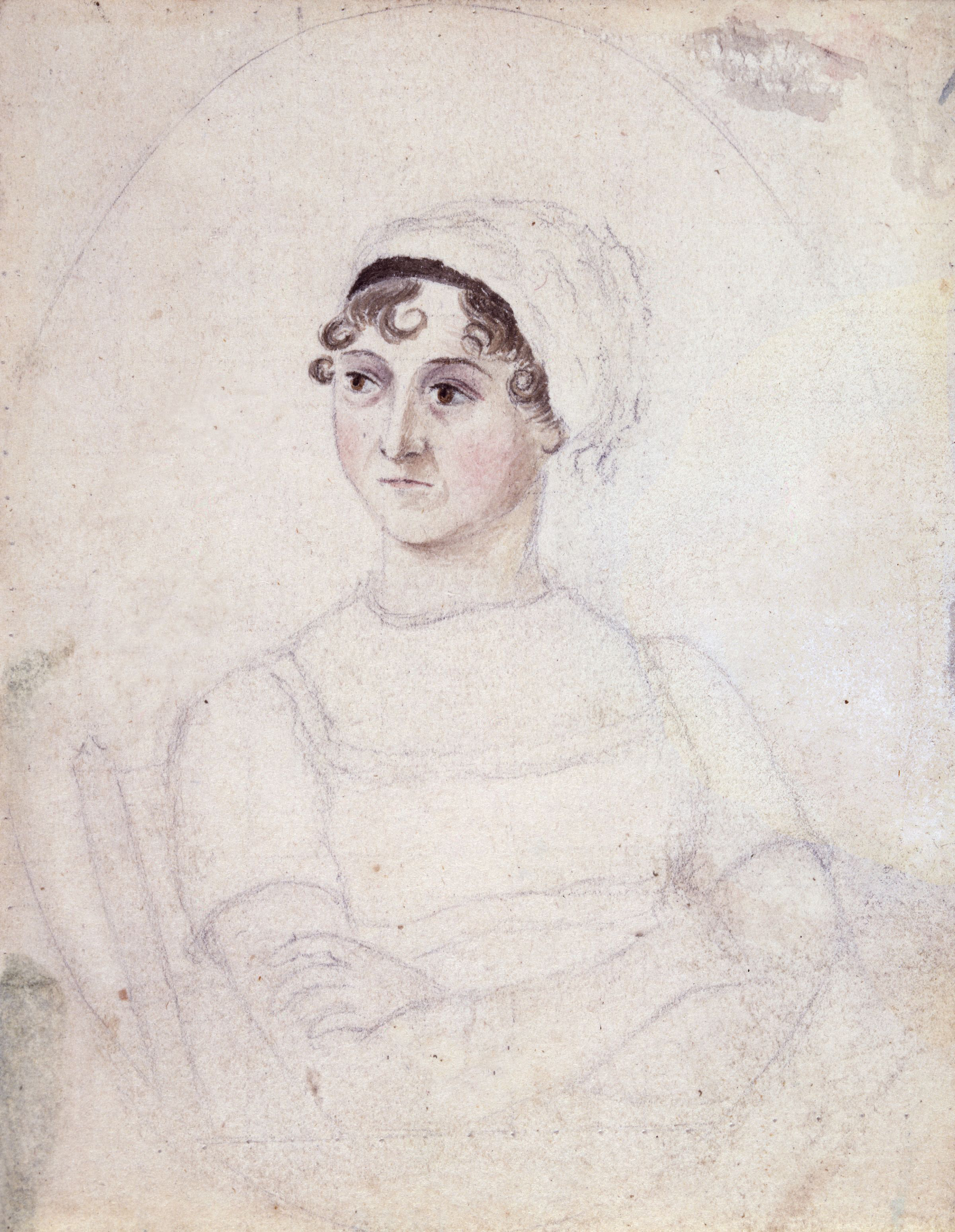
Ada Lovelace (1815–1852) is remembered as a key figure from United Kingdom, known for their role: Mathematician & writer.
Why is Ada Lovelace important?
Ada Lovelace stands out in history for a specific reason: Worked extensively on Charles Babbage's proposed analytical engine. Their story helps place major events, ideas, and cultural change in a wider historical context.
Key achievements
- Worked extensively on Charles Babbage's proposed analytical engine
- Recognized that the machine could have applications beyond pure calculation
- Is often considered the first computer programmer
- Wrote detailed notes on the theoretical operation of early computing machines
A fast fact
Lovelace was the first to recognize that the analytical engine had applications beyond pure calculation.
Legacy
Ada Lovelace's insights into the analytical engine's potential are widely cited as foundational to the concept of computer programming, decades before electronic computers existed.
United KingdomAge of Revolutionsmathematicianswomen in history
What is Ada Lovelace best known for?
An English mathematician chiefly known for her work on Charles Babbage's proposed analytical engine, often considered the first computer programmer.
When and where did Ada Lovelace live?
Ada Lovelace was born in London, England (1815–1852) and died in Marylebone, England.
What is Ada Lovelace's lasting legacy?
Ada Lovelace's insights into the analytical engine's potential are widely cited as foundational to the concept of computer programming, decades before electronic computers existed.
How can I learn more about Ada Lovelace?
Use this profile as a starting point, then consult a library, museum, encyclopedia, or primary-source collection for deeper study.
,_The_Metropolitan_Museum_of_Art_-_restoration1.jpg?width=900)