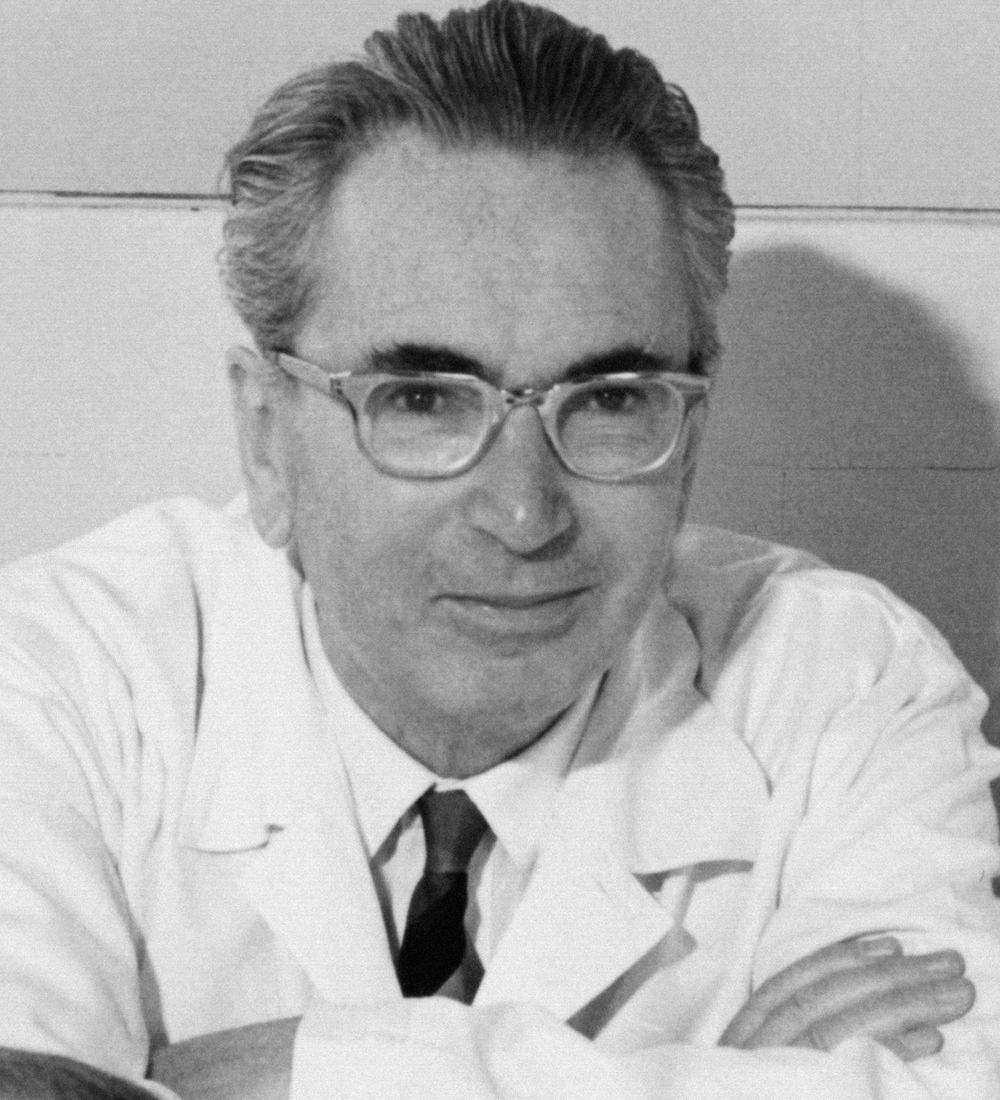
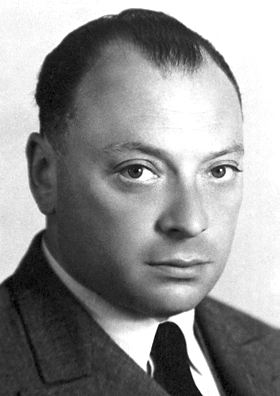
Adolf Hitler (1889–1945) is remembered as a key figure from Germany, known for their role: Dictator of Nazi Germany.
Why is Adolf Hitler important?
Adolf Hitler stands out in history for a specific reason: Rose to power as leader of the Nazi Party, becoming chancellor of Germany in 1933. Their story helps place major events, ideas, and cultural change in a wider historical context.
Key achievements
- Rose to power as leader of the Nazi Party, becoming chancellor of Germany in 1933
- Established a dictatorship in Germany from 1933 until his death in 1945
- Directed German military operations throughout the Second World War
- Was central to the perpetration of the Holocaust, one of history's most documented atrocities
A fast fact
Hitler's invasion of Poland in 1939 marked the outbreak of the Second World War.
Legacy
Hitler's dictatorship and the Holocaust remain among the most extensively documented and studied events of the 20th century, serving as a central reference point in the study of totalitarianism and genocide.
Germanymodern historydictatorsWorld War II
What is Adolf Hitler best known for?
An Austrian-born German politician who was dictator of Germany from 1933 to 1945 and led Nazi Germany during World War II.
When and where did Adolf Hitler live?
Adolf Hitler was born in Braunau am Inn, Austria (1889–1945) and died in Berlin, Germany.
What is Adolf Hitler's lasting legacy?
Hitler's dictatorship and the Holocaust remain among the most extensively documented and studied events of the 20th century, serving as a central reference point in the study of totalitarianism and genocide.
How can I learn more about Adolf Hitler?
Use this profile as a starting point, then consult a library, museum, encyclopedia, or primary-source collection for deeper study.