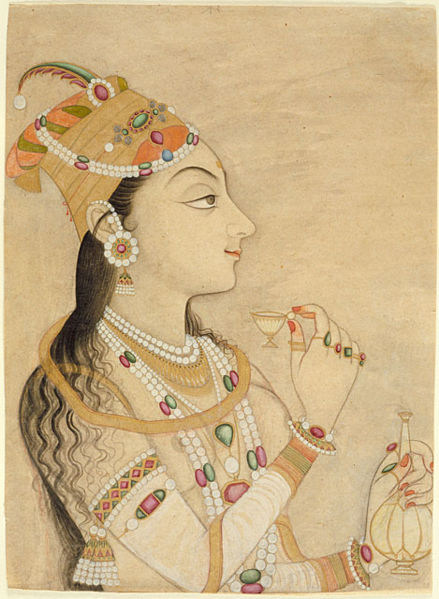
Akbar (1542–1605) is remembered as a key figure from India, known for their role: Mughal Emperor.
Why is Akbar important?
Akbar stands out in history for a specific reason: Expanded and consolidated Mughal territory across the Indian subcontinent. Their story helps place major events, ideas, and cultural change in a wider historical context.
Key achievements
- Expanded and consolidated Mughal territory across the Indian subcontinent
- Promoted religious tolerance policies uncommon among rulers of his era
- Reformed taxation and administrative systems across the empire
- Patronized art, architecture, and literature at the Mughal court
A fast fact
Akbar is generally considered one of the greatest emperors in Mughal history.
Legacy
Akbar's reign is remembered as a high point of Mughal governance and cultural achievement, with lasting influence on Indian art and administration.
IndiaRenaissancerulersMughal Empire
What is Akbar best known for?
The third Mughal emperor, widely considered one of the greatest rulers of the Mughal Empire.
When and where did Akbar live?
Akbar was born in Umerkot (then part of the Mughal realm) (1542–1605) and died in Agra, India.
What is Akbar's lasting legacy?
Akbar's reign is remembered as a high point of Mughal governance and cultural achievement, with lasting influence on Indian art and administration.
How can I learn more about Akbar?
Use this profile as a starting point, then consult a library, museum, encyclopedia, or primary-source collection for deeper study.