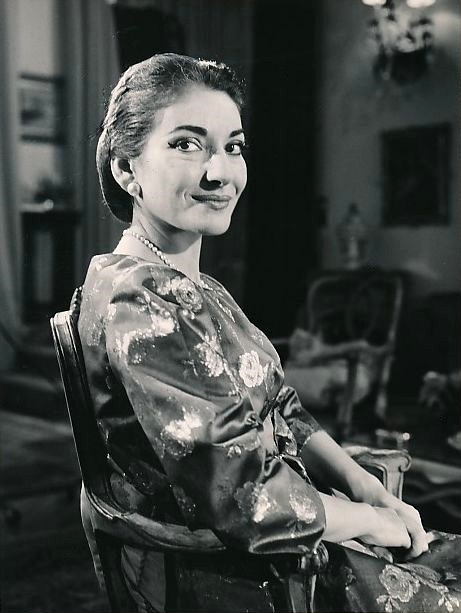
Andrés Segovia (1893–1987) is remembered as a key figure from Spain, known for their role: Classical guitarist.
Why is Andrés Segovia important?
Andrés Segovia stands out in history for a specific reason: Elevated the classical guitar to a respected concert instrument through decades of international performance. Their story helps place major events, ideas, and cultural change in a wider historical context.
Key achievements
- Elevated the classical guitar to a respected concert instrument through decades of international performance.
- Commissioned and premiered new classical guitar compositions from leading composers of his era.
- Trained generations of guitarists who went on to become professional performers themselves.
- Received numerous honors, including being named 1st Marquis of Salobreña by the Spanish crown.
A fast fact
Before Segovia's career, the classical guitar was often regarded as a folk or popular instrument unsuited for serious concert performance; his decades of touring and championing new compositions helped establish it as a respected concert instrument worldwide.
Legacy
Segovia is remembered as the single most influential figure in establishing the classical guitar as a serious concert instrument, and his teaching lineage continues through generations of classical guitarists today.
spainmodern eramusicianseurope
What is Andrés Segovia best known for?
Andrés Segovia was a Spanish virtuoso classical guitarist widely credited with elevating the classical guitar to a respected concert instrument and training generations of future guitarists.
When and where did Andrés Segovia live?
Andrés Segovia was born in Linares, Spain (1893–1987) and died in Madrid, Spain.
What is Andrés Segovia's lasting legacy?
Segovia is remembered as the single most influential figure in establishing the classical guitar as a serious concert instrument, and his teaching lineage continues through generations of classical guitarists today.
How can I learn more about Andrés Segovia?
Use this profile as a starting point, then consult a library, museum, encyclopedia, or primary-source collection for deeper study.
1.jpg?width=900)