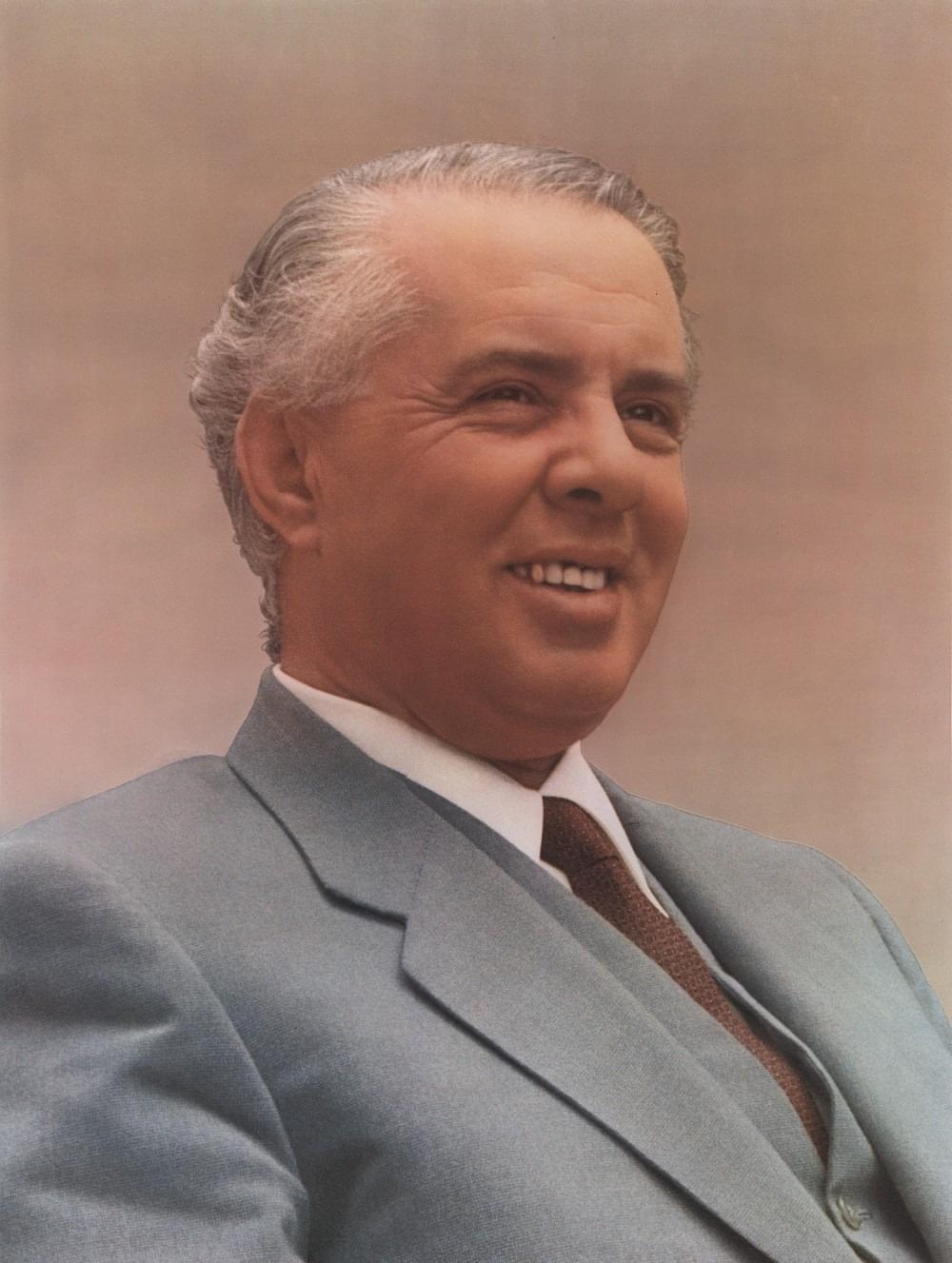
Antanas Smetona (1874–1944) is remembered as a key figure from Lithuania, known for their role: President of Lithuania.
Why is Antanas Smetona important?
Antanas Smetona stands out in history for a specific reason: Became the first president of independent Lithuania in 1919. Their story helps place major events, ideas, and cultural change in a wider historical context.
Key achievements
- Became the first president of independent Lithuania in 1919.
- Returned to power following a coup in December 1926.
- Ruled as an authoritarian head of state from 1926 until 1940.
- Fled into exile following the Soviet occupation of Lithuania in 1940.
A fast fact
Smetona's first term as Lithuania's president in 1919-1920 came through selection by the Constituent Assembly rather than a general election, and he later returned to power through the December 1926 coup.
Legacy
Smetona's presidency shaped the early institutions of independent Lithuania, though his later authoritarian rule and the country's subsequent Soviet occupation remain complex parts of Lithuanian national memory.
lithuaniamodern erapresidentseurope
What is Antanas Smetona best known for?
Antanas Smetona served as the first president of Lithuania and later returned to power as an authoritarian head of state following a 1926 coup, ruling until the Soviet occupation of Lithuania in 1940.
When and where did Antanas Smetona live?
Antanas Smetona was born in Užulėnis, Lithuania (1874–1944) and died in Cleveland, Ohio, United States.
What is Antanas Smetona's lasting legacy?
Smetona's presidency shaped the early institutions of independent Lithuania, though his later authoritarian rule and the country's subsequent Soviet occupation remain complex parts of Lithuanian national memory.
How can I learn more about Antanas Smetona?
Use this profile as a starting point, then consult a library, museum, encyclopedia, or primary-source collection for deeper study.
.jpg?width=900)