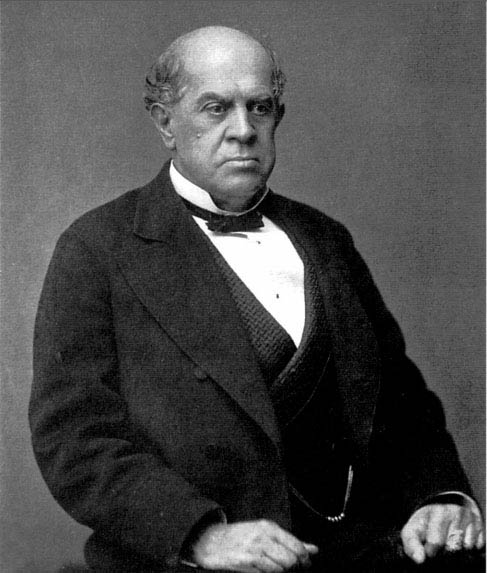
Antonio Maceo (1845–1896) is remembered as a key figure from Cuba, known for their role: Independence general.
Why is Antonio Maceo important?
Antonio Maceo stands out in history for a specific reason: Served as second-in-command of the Cuban Army of Independence. Their story helps place major events, ideas, and cultural change in a wider historical context.
Key achievements
- Served as second-in-command of the Cuban Army of Independence.
- Led a famous invasion campaign across the length of Cuba during the independence wars.
- Fought in both the Ten Years' War and the final Cuban War of Independence.
- Became one of the most celebrated military commanders in Cuban history.
A fast fact
Maceo reportedly survived over 20 battle wounds during his military career, earning him the nickname 'the Bronze Titan' for his combat endurance and leadership.
Legacy
Maceo remains one of Cuba's most honored national heroes, remembered for his battlefield leadership and lifelong commitment to ending Spanish colonial rule.
cubaage of revolutionsfreedom fightersamericasmilitary leaders
What is Antonio Maceo best known for?
Antonio Maceo was a Cuban general and second-in-command of the Cuban Army of Independence, celebrated as one of the most skilled military leaders of the wars against Spanish colonial rule.
When and where did Antonio Maceo live?
Antonio Maceo was born in Santiago de Cuba, Cuba (1845–1896) and died in San Pedro, Cuba.
What is Antonio Maceo's lasting legacy?
Maceo remains one of Cuba's most honored national heroes, remembered for his battlefield leadership and lifelong commitment to ending Spanish colonial rule.
How can I learn more about Antonio Maceo?
Use this profile as a starting point, then consult a library, museum, encyclopedia, or primary-source collection for deeper study.