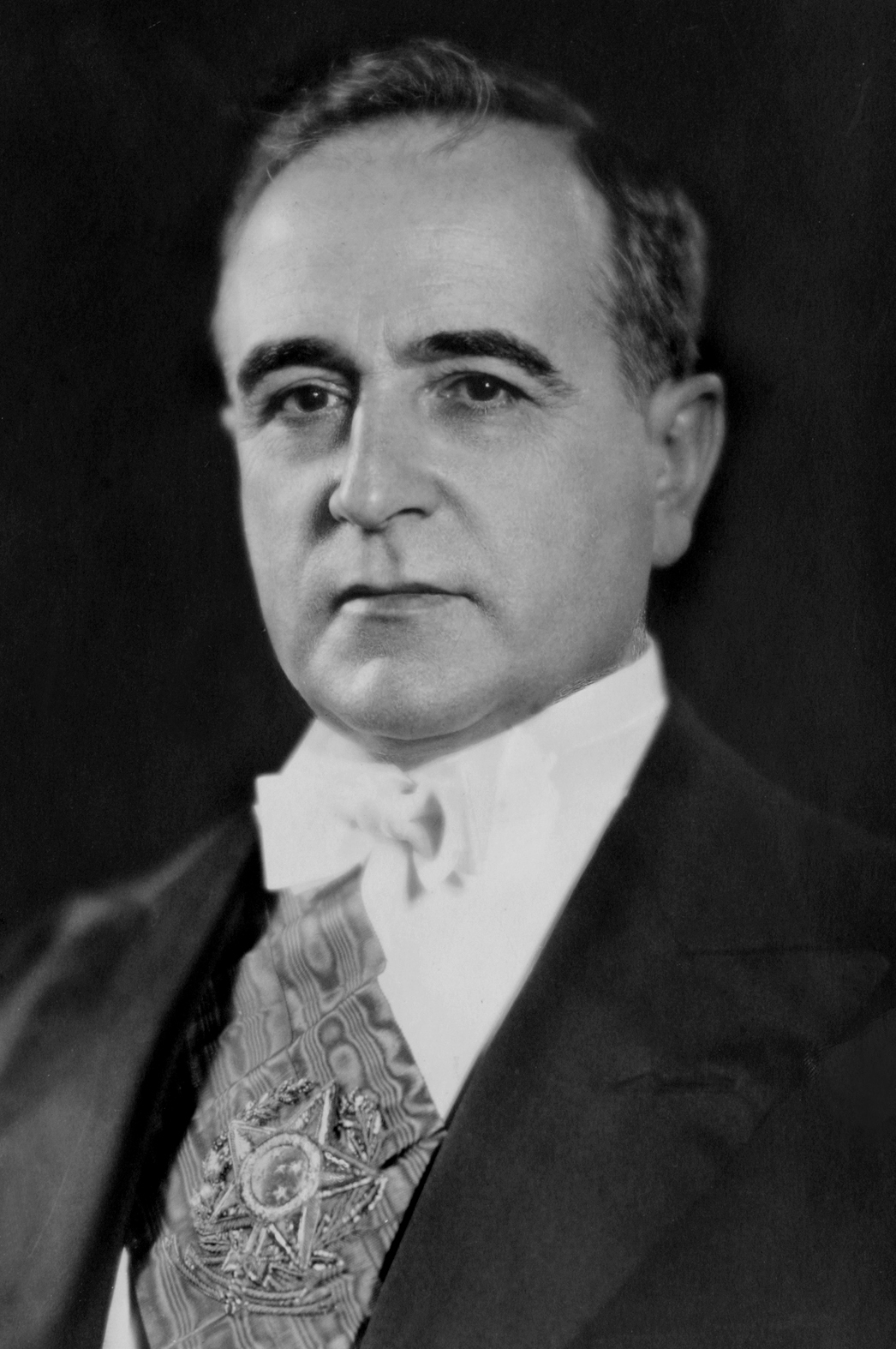
Barbara McClintock (1902–1992) is remembered as a key figure from United States, known for their role: Cytogeneticist.
Why is Barbara McClintock important?
Barbara McClintock stands out in history for a specific reason: Received her PhD in botany from Cornell University in 1927. Their story helps place major events, ideas, and cultural change in a wider historical context.
Key achievements
- Received her PhD in botany from Cornell University in 1927.
- Discovered transposable genetic elements, or 'jumping genes,' in maize chromosomes.
- Won the 1983 Nobel Prize in Physiology or Medicine, decades after her key discoveries.
- Became one of the few women to receive an unshared Nobel Prize in the sciences.
A fast fact
McClintock's discovery of transposable genetic elements, or 'jumping genes,' in the 1940s and 1950s was met with considerable skepticism from the scientific community and was not widely accepted until decades later, when she won the Nobel Prize in 1983.
Legacy
McClintock's work on genetic transposition transformed the understanding of how genes function and move within genomes, laying groundwork for modern molecular genetics.
united statesmodern erascientistsamericaswomen in history
What is Barbara McClintock best known for?
Barbara McClintock was an American scientist who won the 1983 Nobel Prize in Physiology or Medicine for her discovery of genetic transposition, or 'jumping genes,' in maize.
When and where did Barbara McClintock live?
Barbara McClintock was born in Hartford, Connecticut, United States (1902–1992) and died in Huntington, New York, United States.
What is Barbara McClintock's lasting legacy?
McClintock's work on genetic transposition transformed the understanding of how genes function and move within genomes, laying groundwork for modern molecular genetics.
How can I learn more about Barbara McClintock?
Use this profile as a starting point, then consult a library, museum, encyclopedia, or primary-source collection for deeper study.