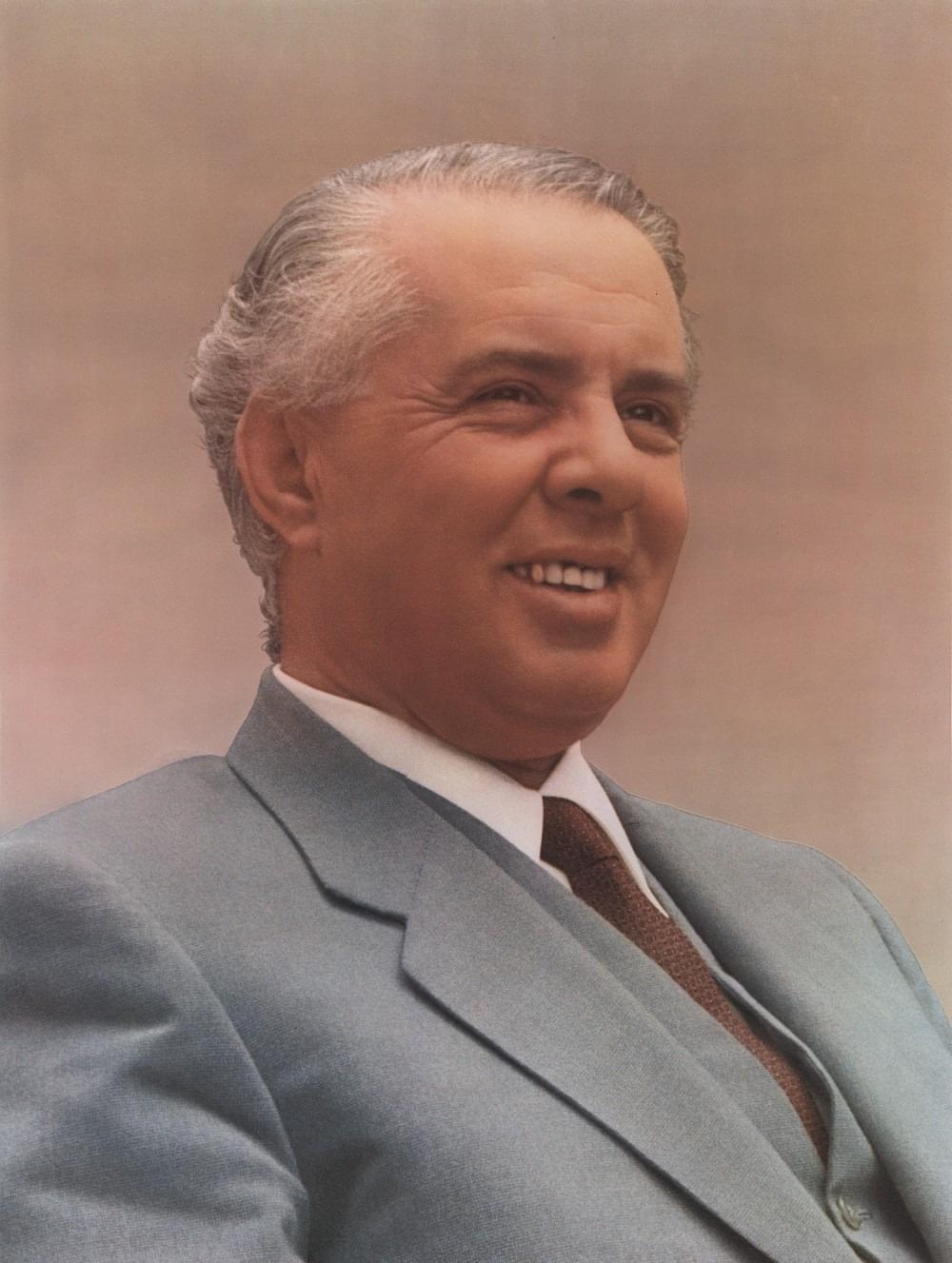
Claus von Stauffenberg (1907–1944) is remembered as a key figure from Germany, known for their role: Army officer.
Why is Claus von Stauffenberg important?
Claus von Stauffenberg stands out in history for a specific reason: Served as a German army officer across multiple World War II campaigns. Their story helps place major events, ideas, and cultural change in a wider historical context.
Key achievements
- Served as a German army officer across multiple World War II campaigns.
- Was severely wounded during the Tunisian campaign, losing an eye and a hand.
- Planned and carried out the July 20, 1944 assassination attempt on Adolf Hitler.
- Was executed the same day the plot failed.
A fast fact
Stauffenberg's bomb detonated in Hitler's headquarters on July 20, 1944, but Hitler survived because the briefcase containing the explosive had been moved slightly out of the room's most lethal blast zone shortly before detonation.
Legacy
Stauffenberg's attempted assassination of Hitler remains one of the most significant acts of internal German resistance to the Nazi regime, and he is remembered as a symbol of moral opposition to totalitarian rule.
germanymodern eramilitary leaderseurope
What is Claus von Stauffenberg best known for?
Claus von Stauffenberg was a German army officer who led the failed July 1944 assassination attempt on Adolf Hitler, part of Operation Valkyrie, and was executed the same day.
When and where did Claus von Stauffenberg live?
Claus von Stauffenberg was born in Jettingen, Germany (1907–1944) and died in Berlin, Germany.
What is Claus von Stauffenberg's lasting legacy?
Stauffenberg's attempted assassination of Hitler remains one of the most significant acts of internal German resistance to the Nazi regime, and he is remembered as a symbol of moral opposition to totalitarian rule.
How can I learn more about Claus von Stauffenberg?
Use this profile as a starting point, then consult a library, museum, encyclopedia, or primary-source collection for deeper study.