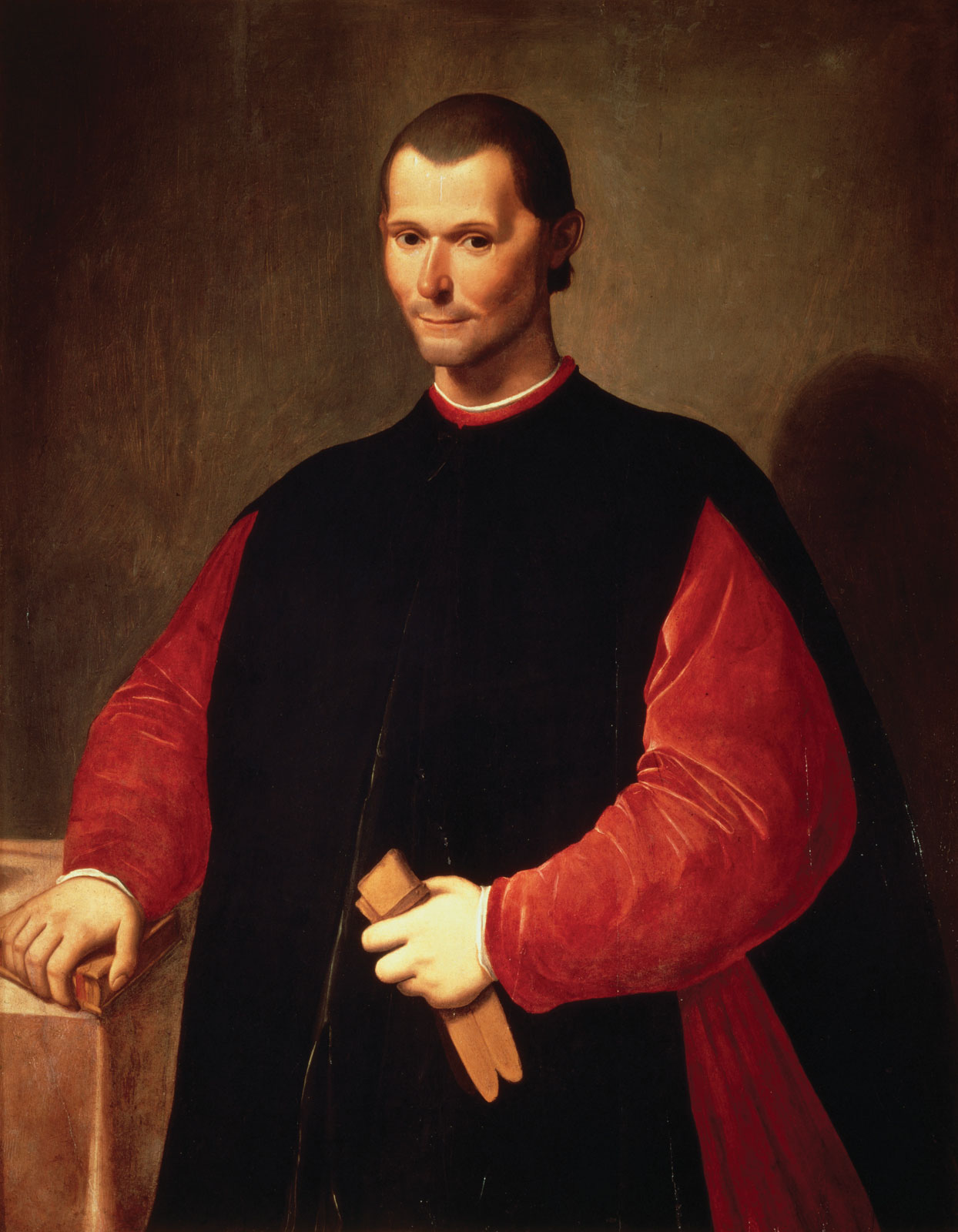
Cosimo de' Medici (1389–1464) is remembered as a key figure from Italy, known for their role: Banker & de facto ruler of Florence.
Why is Cosimo de' Medici important?
Cosimo de' Medici stands out in history for a specific reason: Built the Medici Bank into the most powerful financial institution in Europe. Their story helps place major events, ideas, and cultural change in a wider historical context.
Key achievements
- Built the Medici Bank into the most powerful financial institution in Europe
- Gained effective political control of Florence from 1434 while holding no official ruling title
- Patronized artists, architects, and scholars including Donatello and Brunelleschi
- Established the Medici family's political dominance in Florence for generations
A fast fact
Cosimo funded the construction of the Basilica of San Lorenzo and amassed one of the era's great libraries, helping ignite the early Renaissance in Florence.
Legacy
Cosimo is remembered as the founding patriarch of Medici power and one of the most important patrons of the early Italian Renaissance.
ItalyRenaissancepatrons of the arts
What is Cosimo de' Medici best known for?
The founder of Medici political dominance in Florence, who used his banking fortune to control the city while holding no formal title of ruler.
When and where did Cosimo de' Medici live?
Cosimo de' Medici was born in Florence, Italy (1389–1464) and died in Careggi, Italy.
What is Cosimo de' Medici's lasting legacy?
Cosimo is remembered as the founding patriarch of Medici power and one of the most important patrons of the early Italian Renaissance.
How can I learn more about Cosimo de' Medici?
Use this profile as a starting point, then consult a library, museum, encyclopedia, or primary-source collection for deeper study.

.jpg?width=900)