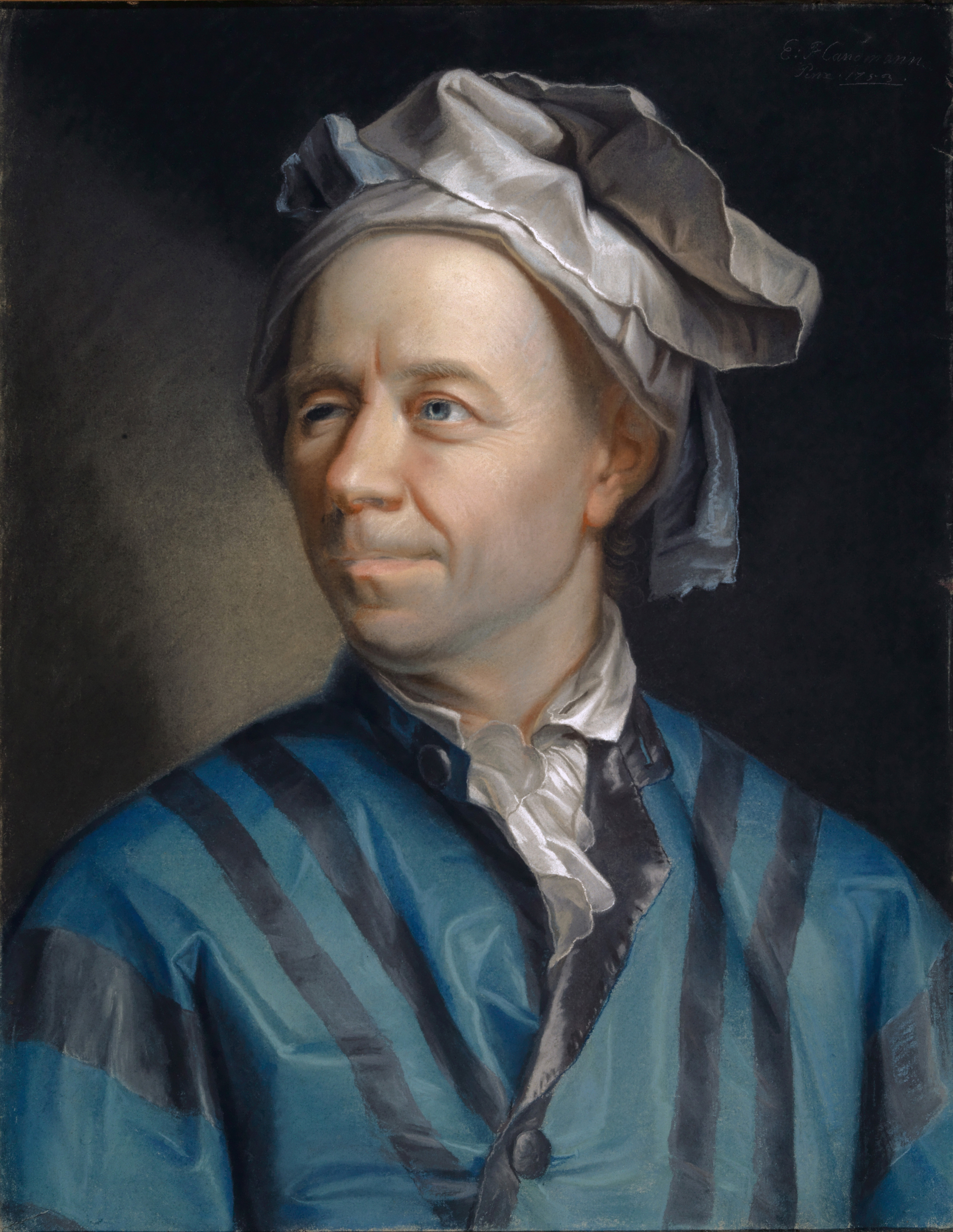
Donatello (c. 1386–1466) is remembered as a key figure from Italy, known for their role: Sculptor.
Why is Donatello important?
Donatello stands out in history for a specific reason: Created the bronze 'David', the first known free-standing nude sculpture since antiquity. Their story helps place major events, ideas, and cultural change in a wider historical context.
Key achievements
- Created the bronze 'David', the first known free-standing nude sculpture since antiquity
- Sculpted 'Gattamelata', one of the earliest large equestrian bronze statues of the Renaissance
- Pioneered techniques of relief perspective, known as 'schiacciato', in marble carving
- Worked for the Medici family and major Florentine institutions throughout his long career
A fast fact
Donatello's bronze statue of David, created for the Medici family, was the first known free-standing nude sculpture since classical antiquity.
Legacy
Donatello is regarded as one of the most influential sculptors in Western art history, whose innovations helped define Renaissance sculpture and influenced Michelangelo and later artists.
ItalyRenaissanceartists
What is Donatello best known for?
A pioneering Florentine sculptor whose bronze and marble works, including the first free-standing nude statue since antiquity, transformed Renaissance sculpture.
When and where did Donatello live?
Donatello was born in Florence, Italy (c. 1386–1466) and died in Florence, Italy.
What is Donatello's lasting legacy?
Donatello is regarded as one of the most influential sculptors in Western art history, whose innovations helped define Renaissance sculpture and influenced Michelangelo and later artists.
How can I learn more about Donatello?
Use this profile as a starting point, then consult a library, museum, encyclopedia, or primary-source collection for deeper study.