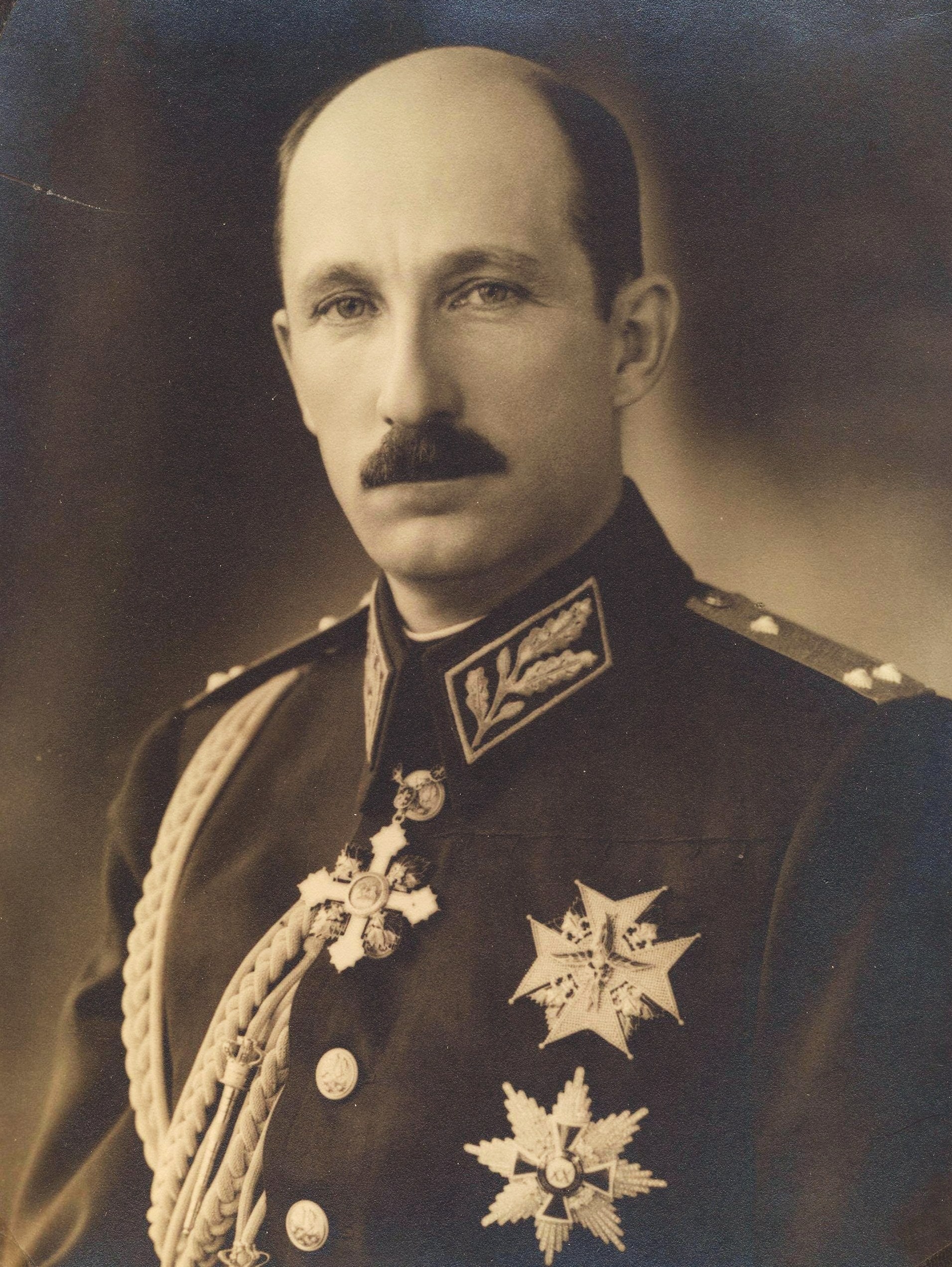
Elie Wiesel (1928–2016) is remembered as a key figure from Romania, known for their role: Writer and Holocaust survivor.
Why is Elie Wiesel important?
Elie Wiesel stands out in history for a specific reason: Survived imprisonment at the Auschwitz and Buchenwald concentration camps as a teenager. Their story helps place major events, ideas, and cultural change in a wider historical context.
Key achievements
- Survived imprisonment at the Auschwitz and Buchenwald concentration camps as a teenager.
- Authored 'Night,' one of the most influential memoirs of the Holocaust.
- Wrote 57 books over the course of his career.
- Won the Nobel Peace Prize in 1986 for his humanitarian activism.
A fast fact
Wiesel's memoir 'Night,' recounting his experiences as a teenage prisoner at Auschwitz and Buchenwald, became one of the most influential and widely taught works of Holocaust literature, and he went on to author 57 books over his lifetime.
Legacy
Wiesel's writing and advocacy shaped global understanding of the Holocaust for generations, and his Nobel Peace Prize recognized his lifelong commitment to human rights and remembrance.
romaniamodern erawriterseuropenobel prize
What is Elie Wiesel best known for?
Elie Wiesel was a Romanian-born American writer and Holocaust survivor whose memoir 'Night' became one of the most influential firsthand accounts of the Holocaust, earning him the 1986 Nobel Peace Prize.
When and where did Elie Wiesel live?
Elie Wiesel was born in Sighet, Romania (1928–2016) and died in New York City, United States.
What is Elie Wiesel's lasting legacy?
Wiesel's writing and advocacy shaped global understanding of the Holocaust for generations, and his Nobel Peace Prize recognized his lifelong commitment to human rights and remembrance.
How can I learn more about Elie Wiesel?
Use this profile as a starting point, then consult a library, museum, encyclopedia, or primary-source collection for deeper study.