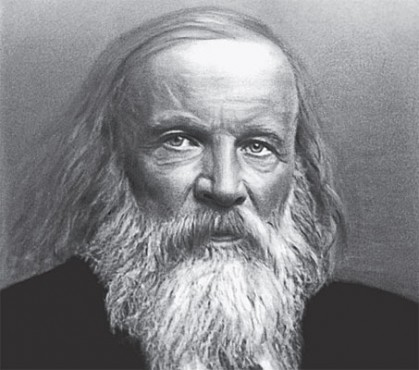
Frédéric Chopin (1810–1849) is remembered as a key figure from Poland, known for their role: Composer and pianist.
Why is Frédéric Chopin important?
Frédéric Chopin stands out in history for a specific reason: Composed a large body of work almost entirely for solo piano, including nocturnes, waltzes, and mazurkas. Their story helps place major events, ideas, and cultural change in a wider historical context.
Key achievements
- Composed a large body of work almost entirely for solo piano, including nocturnes, waltzes, and mazurkas.
- Became one of the leading composer-pianists of the Romantic era in 19th-century Europe.
- Infused his compositions with Polish folk music traditions, particularly the mazurka and polonaise.
- Remains one of the most performed and recorded composers in classical piano repertoire today.
A fast fact
At his own request, Chopin's heart was removed after his death and secretly transported to Warsaw, where it remains preserved in a Polish church, while his body is buried in Paris.
Legacy
Chopin's music remains central to the piano repertoire worldwide, and he is remembered as a defining figure of musical Romanticism and a symbol of Polish national culture.
polandage of revolutionscomposerseuropemusicians
What is Frédéric Chopin best known for?
Frédéric Chopin was a Polish composer and virtuoso pianist of the Romantic era, celebrated for his poetic solo piano works including nocturnes, waltzes, and mazurkas.
When and where did Frédéric Chopin live?
Frédéric Chopin was born in Żelazowa Wola, Duchy of Warsaw (present-day Poland) (1810–1849) and died in Paris, France.
What is Frédéric Chopin's lasting legacy?
Chopin's music remains central to the piano repertoire worldwide, and he is remembered as a defining figure of musical Romanticism and a symbol of Polish national culture.
How can I learn more about Frédéric Chopin?
Use this profile as a starting point, then consult a library, museum, encyclopedia, or primary-source collection for deeper study.