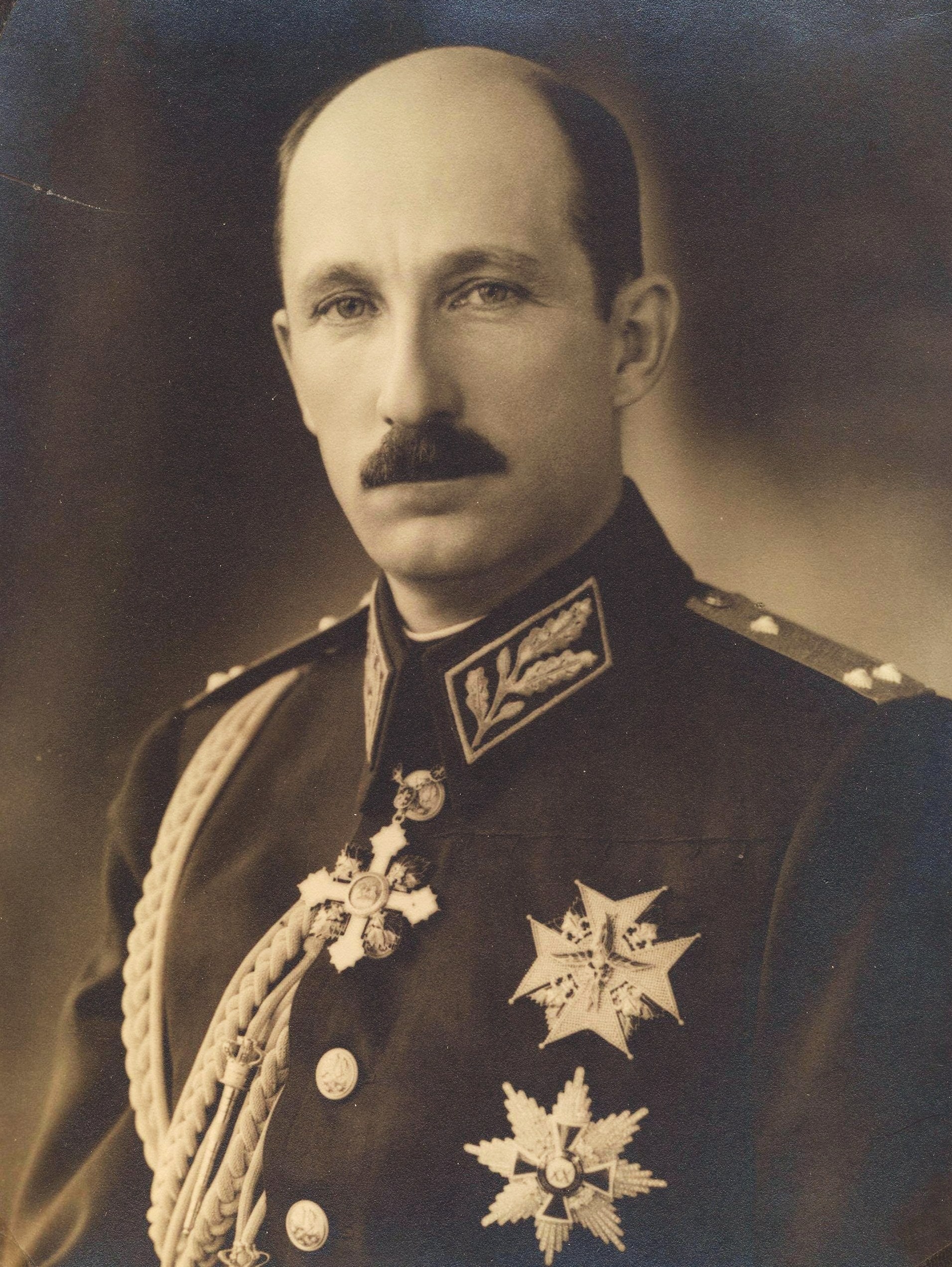
Fridtjof Nansen (1861–1930) is remembered as a key figure from Norway, known for their role: Explorer and humanitarian.
Why is Fridtjof Nansen important?
Fridtjof Nansen stands out in history for a specific reason: Led pioneering Arctic expeditions during the late 19th century as a polar explorer. Their story helps place major events, ideas, and cultural change in a wider historical context.
Key achievements
- Led pioneering Arctic expeditions during the late 19th century as a polar explorer.
- Became a leading diplomat and humanitarian following World War I.
- Created the 'Nansen passport,' a groundbreaking travel document for stateless refugees.
- Won the Nobel Peace Prize in 1922 for his humanitarian work.
A fast fact
Nansen created the 'Nansen passport,' an internationally recognized travel document for stateless refugees after World War I, which helped hundreds of thousands of displaced people regain the ability to travel and resettle.
Legacy
Nansen's humanitarian innovations, particularly the Nansen passport, laid groundwork for modern international refugee protections still referenced in humanitarian law today.
norwaymodern eraexplorerseuropenobel prize
What is Fridtjof Nansen best known for?
Fridtjof Nansen was a Norwegian polar explorer, scientist, and diplomat who later became a leading humanitarian figure, winning the Nobel Peace Prize in 1922 for his work aiding refugees after World War I.
When and where did Fridtjof Nansen live?
Fridtjof Nansen was born in Store Frøen, Norway (1861–1930) and died in Lysaker, Norway.
What is Fridtjof Nansen's lasting legacy?
Nansen's humanitarian innovations, particularly the Nansen passport, laid groundwork for modern international refugee protections still referenced in humanitarian law today.
How can I learn more about Fridtjof Nansen?
Use this profile as a starting point, then consult a library, museum, encyclopedia, or primary-source collection for deeper study.

.jpg?width=900)