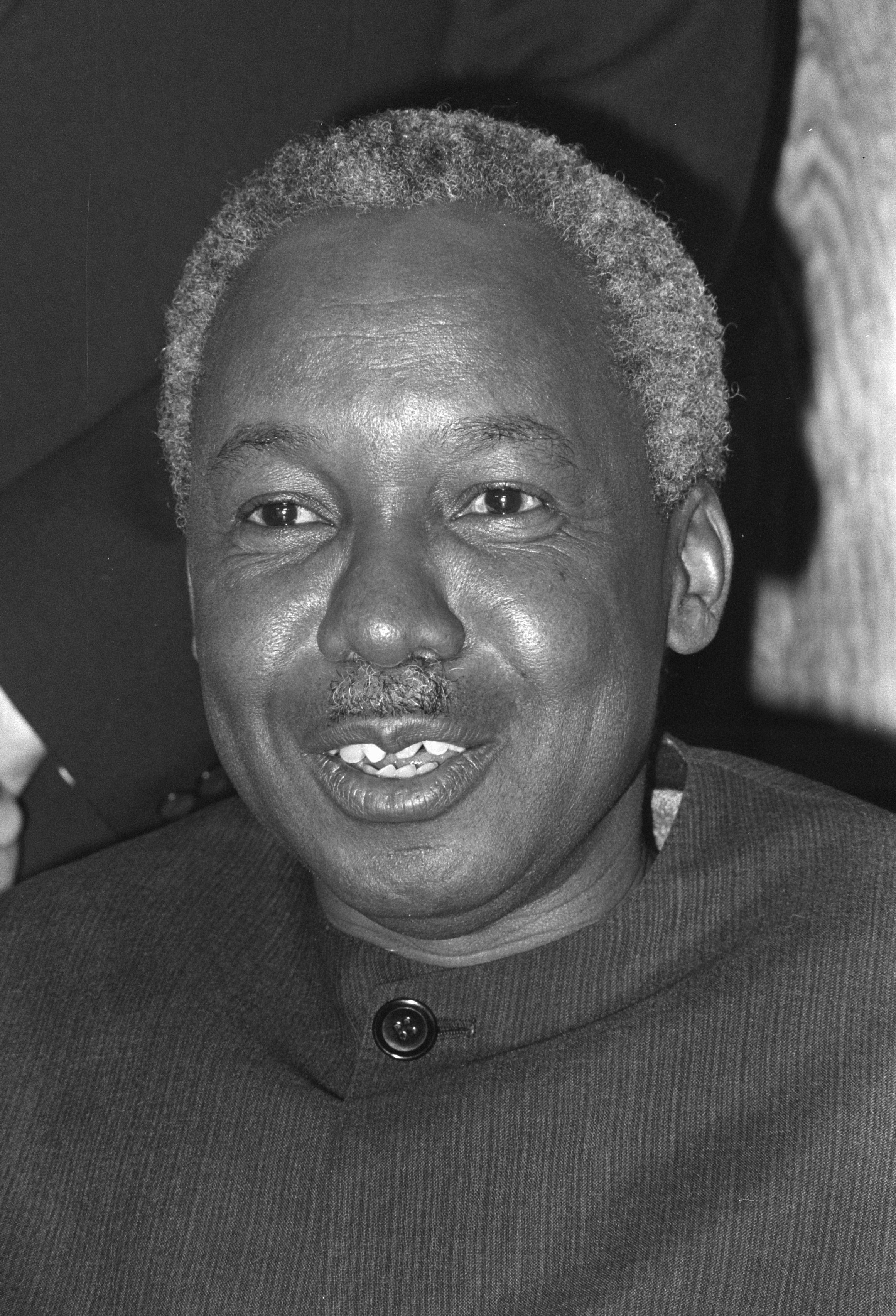
F. W. de Klerk (1936–2021) is remembered as a key figure from South Africa, known for their role: President of South Africa.
Why is F. W. de Klerk important?
F. W. de Klerk stands out in history for a specific reason: Became state president of South Africa in 1989, the last to serve under apartheid. Their story helps place major events, ideas, and cultural change in a wider historical context.
Key achievements
- Became state president of South Africa in 1989, the last to serve under apartheid.
- Lifted the ban on the African National Congress and released Nelson Mandela from prison in 1990.
- Negotiated the dismantling of apartheid and South Africa's transition to democratic elections.
- Shared the 1993 Nobel Peace Prize with Nelson Mandela and served as one of two deputy presidents under Mandela's Government of National Unity from 1994 to 1996.
A fast fact
De Klerk shared the 1993 Nobel Peace Prize with Nelson Mandela for their joint work dismantling apartheid, and after Mandela's 1994 election, de Klerk served as one of two deputy presidents in the Government of National Unity alongside Thabo Mbeki.
Legacy
De Klerk is remembered for the pivotal, if belated, role he played in ending apartheid, a legacy that remains debated alongside his earlier decades as a supporter of the apartheid system.
south africamodern erapresidentsafricanobel prize
What is F. W. de Klerk best known for?
F. W. de Klerk served as the last state president of South Africa under apartheid, initiating negotiations that dismantled the apartheid system and led to the country's first democratic elections in 1994.
When and where did F. W. de Klerk live?
F. W. de Klerk was born in Johannesburg, South Africa (1936–2021) and died in Cape Town, South Africa.
What is F. W. de Klerk's lasting legacy?
De Klerk is remembered for the pivotal, if belated, role he played in ending apartheid, a legacy that remains debated alongside his earlier decades as a supporter of the apartheid system.
How can I learn more about F. W. de Klerk?
Use this profile as a starting point, then consult a library, museum, encyclopedia, or primary-source collection for deeper study.