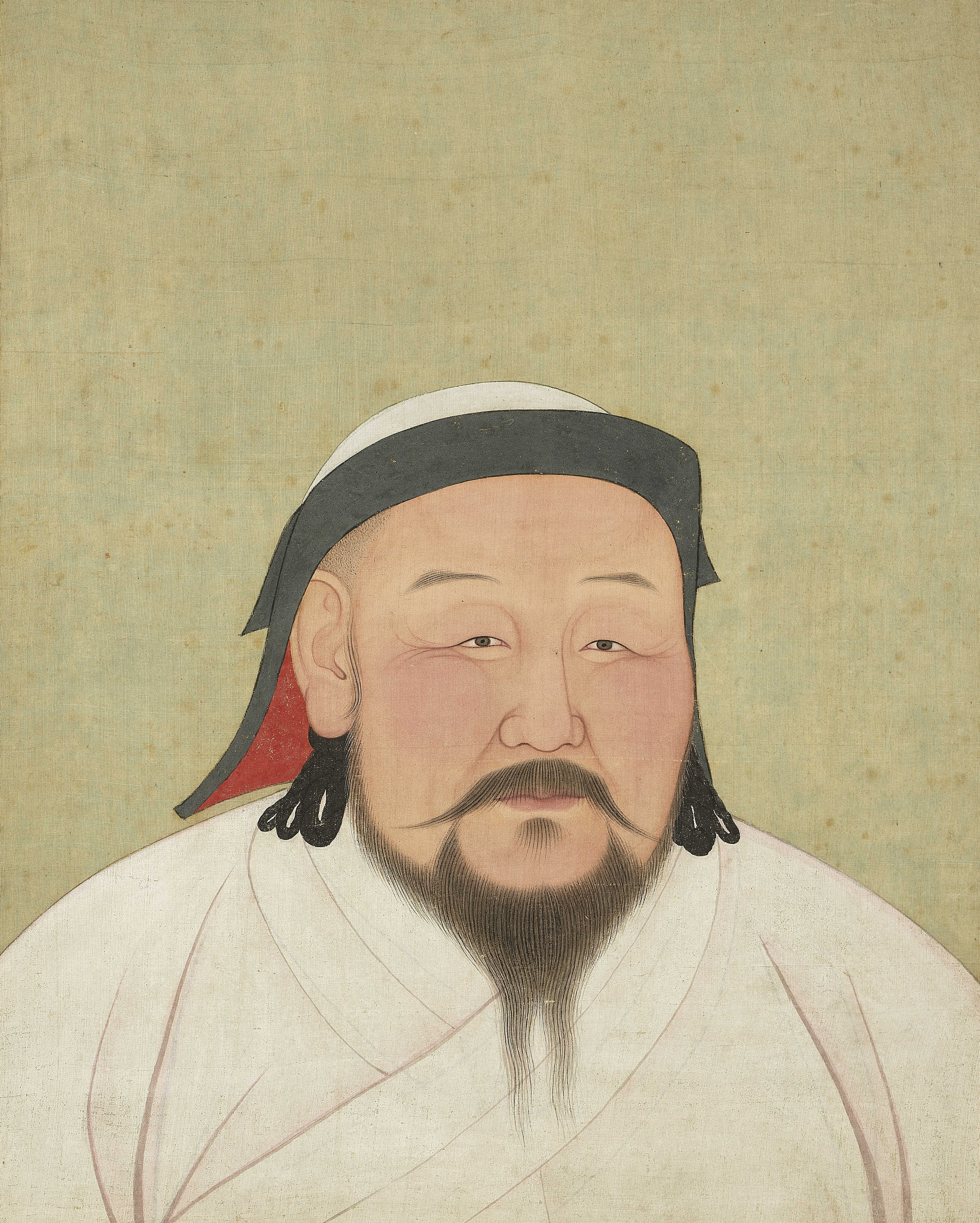
Genghis Khan (c. 1162–1227) is remembered as a key figure from Mongolia, known for their role: Founder of the Mongol Empire.
Why is Genghis Khan important?
Genghis Khan stands out in history for a specific reason: United the Mongol tribes under a single political and military authority. Their story helps place major events, ideas, and cultural change in a wider historical context.
Key achievements
- United the Mongol tribes under a single political and military authority
- Founded the Mongol Empire, which expanded across much of Asia
- Reorganized military strategy and administration across conquered territories
- Established trade and communication routes across Eurasia
A fast fact
The Mongol Empire founded by Genghis Khan eventually became the largest contiguous land empire in history.
Legacy
The Mongol Empire founded by Genghis Khan reshaped trade, culture, and politics across Asia and Europe for generations after his death.
Mongoliamedieval historymilitary leadersempire builders
What is Genghis Khan best known for?
The founder and first khan of the Mongol Empire, which became the largest contiguous empire in history.
When and where did Genghis Khan live?
Genghis Khan was born in Khentii Province (in present-day Mongolia) (c. 1162–1227) and died in Mongol Empire (exact location debated).
What is Genghis Khan's lasting legacy?
The Mongol Empire founded by Genghis Khan reshaped trade, culture, and politics across Asia and Europe for generations after his death.
How can I learn more about Genghis Khan?
Use this profile as a starting point, then consult a library, museum, encyclopedia, or primary-source collection for deeper study.