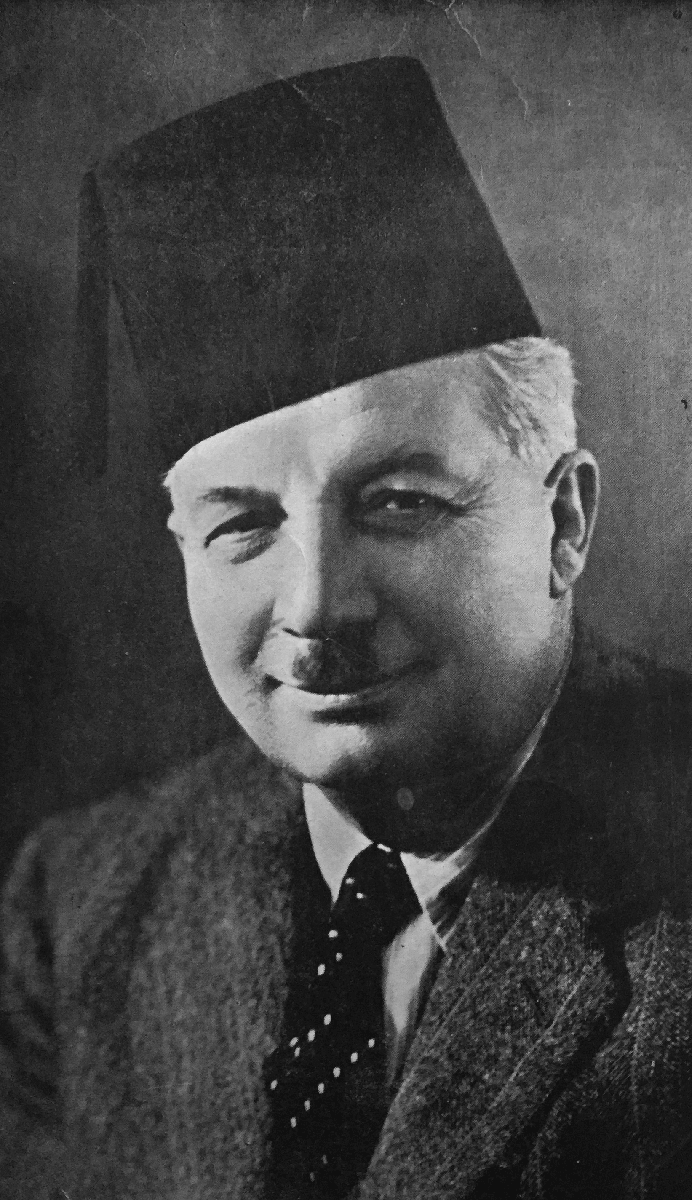
Habib Bourguiba (1903–2000) is remembered as a key figure from Tunisia, known for their role: President of Tunisia.
Why is Habib Bourguiba important?
Habib Bourguiba stands out in history for a specific reason: Led Tunisia's independence movement against 75 years of French protectorate rule. Their story helps place major events, ideas, and cultural change in a wider historical context.
Key achievements
- Led Tunisia's independence movement against 75 years of French protectorate rule.
- Became the first prime minister of the Kingdom of Tunisia in 1956.
- Became the first president of independent Tunisia in 1957.
- Governed Tunisia for three decades until 1987.
A fast fact
Bourguiba earned the honorific 'Supreme Combatant' for leading Tunisia's independence movement, ending 75 years of French protectorate status before becoming the country's first president in 1957.
Legacy
Bourguiba is remembered as the founding father of modern Tunisia, credited with securing independence and implementing significant social reforms, including expanded rights for women, during his long presidency.
tunisiamodern erapresidentsmiddle eastindependence leaders
What is Habib Bourguiba best known for?
Habib Bourguiba led Tunisia to independence from France in 1956 and became its first president, governing the country until 1987 and earning the title 'Supreme Combatant' for his role in the independence struggle.
When and where did Habib Bourguiba live?
Habib Bourguiba was born in Monastir, Tunisia (1903–2000) and died in Monastir, Tunisia.
What is Habib Bourguiba's lasting legacy?
Bourguiba is remembered as the founding father of modern Tunisia, credited with securing independence and implementing significant social reforms, including expanded rights for women, during his long presidency.
How can I learn more about Habib Bourguiba?
Use this profile as a starting point, then consult a library, museum, encyclopedia, or primary-source collection for deeper study.