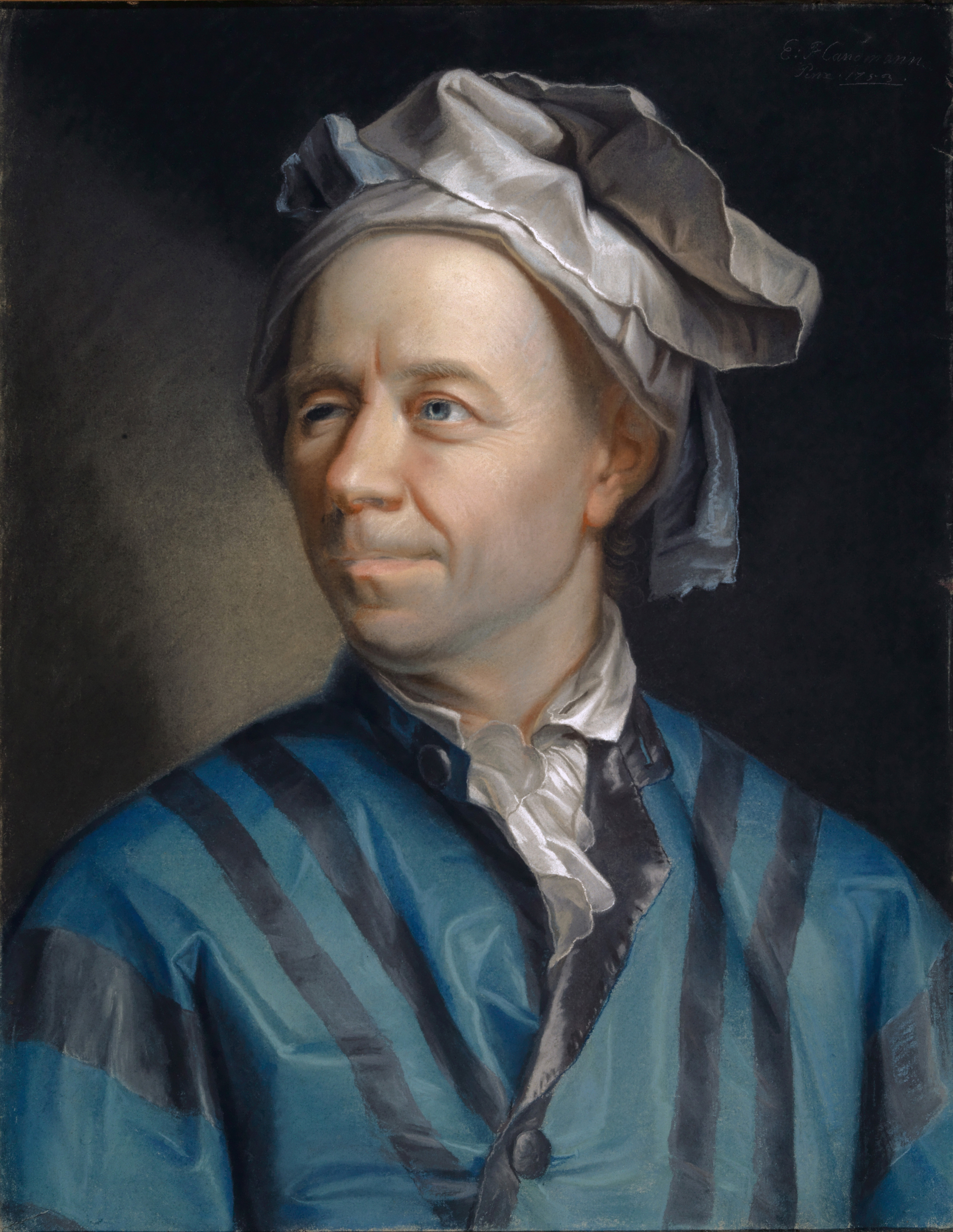
John III Sobieski (1629–1696) is remembered as a key figure from Poland, known for their role: King of Poland.
Why is John III Sobieski important?
John III Sobieski stands out in history for a specific reason: Became King of Poland and Grand Duke of Lithuania in 1674. Their story helps place major events, ideas, and cultural change in a wider historical context.
Key achievements
- Became King of Poland and Grand Duke of Lithuania in 1674.
- Commanded the decisive relief force that broke the Ottoman siege of Vienna in 1683.
- Led the largest cavalry charge in recorded history at the time using Polish winged hussars.
- Helped halt the Ottoman Empire's expansion into central Europe.
A fast fact
At the 1683 Battle of Vienna, Sobieski led the largest cavalry charge in history at the time, commanding the famous Polish winged hussars in a decisive attack that broke the Ottoman siege of the city.
Legacy
Sobieski's victory at Vienna is remembered as a turning point that ended the Ottoman Empire's westward expansion into Europe, and he remains one of Poland's most celebrated military leaders.
polandrenaissancemonarchseuropemilitary leaders
What is John III Sobieski best known for?
John III Sobieski was King of Poland and Grand Duke of Lithuania from 1674 to 1696, best known for commanding the allied Christian forces that broke the Ottoman siege of Vienna in 1683.
When and where did John III Sobieski live?
John III Sobieski was born in Olesko, Kingdom of Poland (present-day Ukraine) (1629–1696) and died in Wilanów, Kingdom of Poland (present-day Poland).
What is John III Sobieski's lasting legacy?
Sobieski's victory at Vienna is remembered as a turning point that ended the Ottoman Empire's westward expansion into Europe, and he remains one of Poland's most celebrated military leaders.
How can I learn more about John III Sobieski?
Use this profile as a starting point, then consult a library, museum, encyclopedia, or primary-source collection for deeper study.

.jpg?width=900)