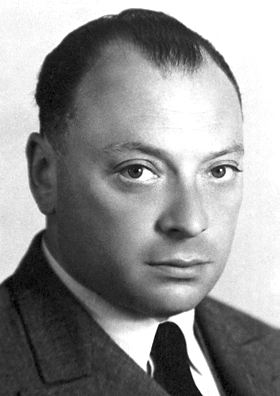
Josip Broz Tito (1892–1980) is remembered as a key figure from Serbia, known for their role: Leader of Yugoslavia.
Why is Josip Broz Tito important?
Josip Broz Tito stands out in history for a specific reason: Commanded the Yugoslav Partisans, the largest anti-Axis resistance movement in occupied Europe during World War II. Their story helps place major events, ideas, and cultural change in a wider historical context.
Key achievements
- Commanded the Yugoslav Partisans, the largest anti-Axis resistance movement in occupied Europe during World War II.
- Led Yugoslavia as prime minister from 1943 and later as president from 1953 until his death in 1980.
- Broke from Soviet control in 1948 while maintaining a communist government.
- Co-founded the Non-Aligned Movement among nations outside the Cold War's two major blocs.
A fast fact
Tito's split with the Soviet Union in 1948 made Yugoslavia the first communist state to successfully break from Soviet control while remaining communist, and he went on to co-found the Non-Aligned Movement among nations refusing to align with either Cold War bloc.
Legacy
Tito's leadership held together a diverse multi-ethnic federation for decades, and Yugoslavia's fragmentation into war and separate states after his death underscored how central his personal authority had been to the country's unity.
serbiamodern erapresidentseurope
What is Josip Broz Tito best known for?
Josip Broz Tito led Yugoslavia as prime minister and later president from the 1940s until his death in 1980, maintaining the country's independence from the Soviet bloc and co-founding the Non-Aligned Movement.
When and where did Josip Broz Tito live?
Josip Broz Tito was born in Kumrovec, Austria-Hungary (present-day Croatia) (1892–1980) and died in Ljubljana, Yugoslavia (present-day Slovenia).
What is Josip Broz Tito's lasting legacy?
Tito's leadership held together a diverse multi-ethnic federation for decades, and Yugoslavia's fragmentation into war and separate states after his death underscored how central his personal authority had been to the country's unity.
How can I learn more about Josip Broz Tito?
Use this profile as a starting point, then consult a library, museum, encyclopedia, or primary-source collection for deeper study.