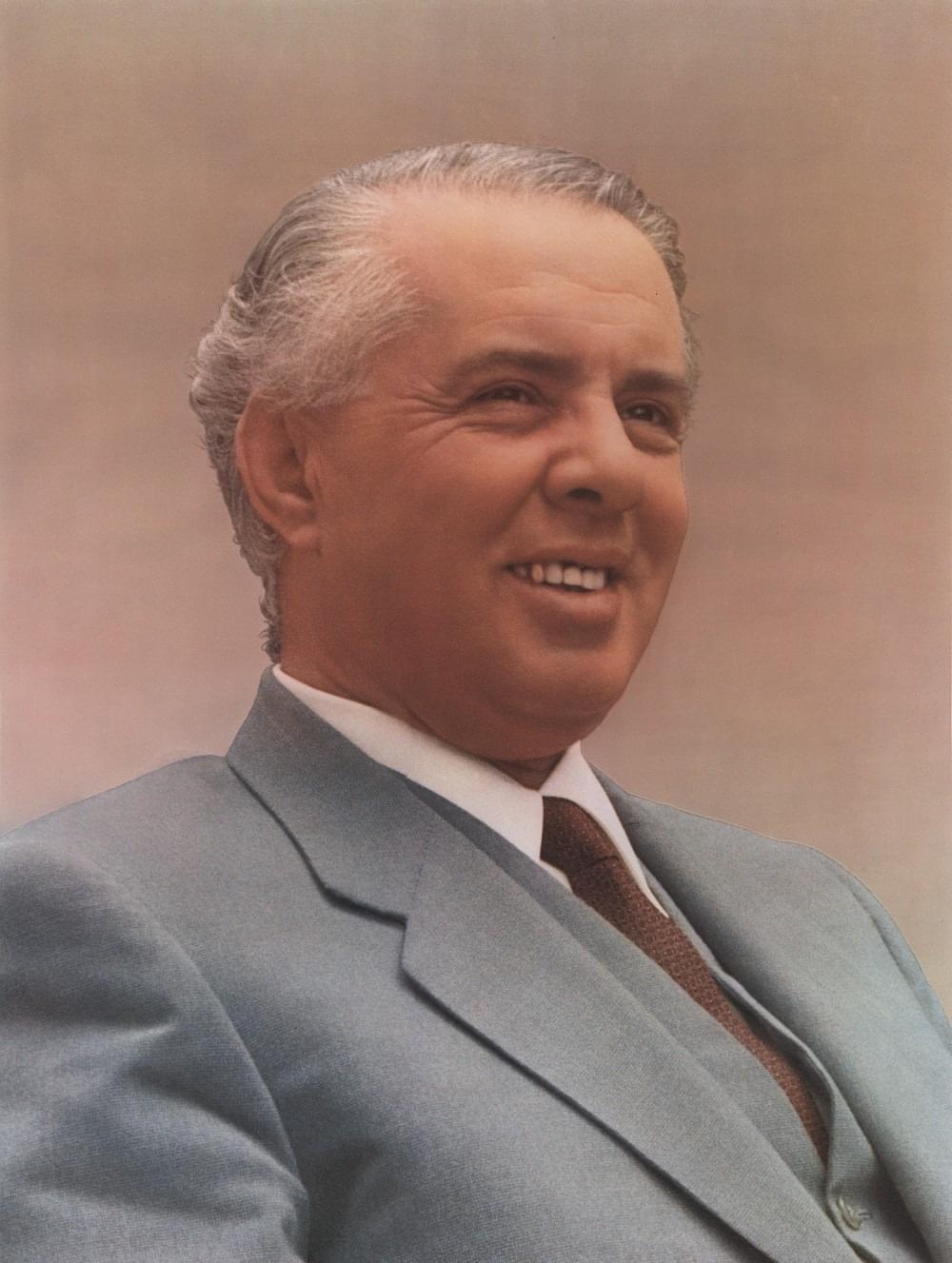
Konstantin Päts (1874–1956) is remembered as a key figure from Estonia, known for their role: President of Estonia.
Why is Konstantin Päts important?
Konstantin Päts stands out in history for a specific reason: Served five times as Estonia's State Elder during the interwar period of independence. Their story helps place major events, ideas, and cultural change in a wider historical context.
Key achievements
- Served five times as Estonia's State Elder during the interwar period of independence.
- Became Estonia's president in 1938 under a new constitution.
- Helped establish and stabilize Estonia's independent government institutions.
- Was deported by Soviet authorities following the 1940 occupation of Estonia.
A fast fact
Following the 1940 Soviet occupation of Estonia, Päts was deported to the Soviet Union, where he died in 1956 without ever regaining his freedom or returning to his homeland.
Legacy
Päts remains one of the most significant figures in Estonia's interwar independence period, and his forced deportation symbolizes the broader tragedy of Baltic state occupation during World War II.
estoniamodern erapresidentseurope
What is Konstantin Päts best known for?
Konstantin Päts was one of the most influential statesmen of independent Estonia between the world wars, serving multiple times as head of state before the country's occupation by the Soviet Union in 1940.
When and where did Konstantin Päts live?
Konstantin Päts was born in Tahkuranna, Estonia (1874–1956) and died in Kalinin, Soviet Union (present-day Tver, Russia).
What is Konstantin Päts's lasting legacy?
Päts remains one of the most significant figures in Estonia's interwar independence period, and his forced deportation symbolizes the broader tragedy of Baltic state occupation during World War II.
How can I learn more about Konstantin Päts?
Use this profile as a starting point, then consult a library, museum, encyclopedia, or primary-source collection for deeper study.