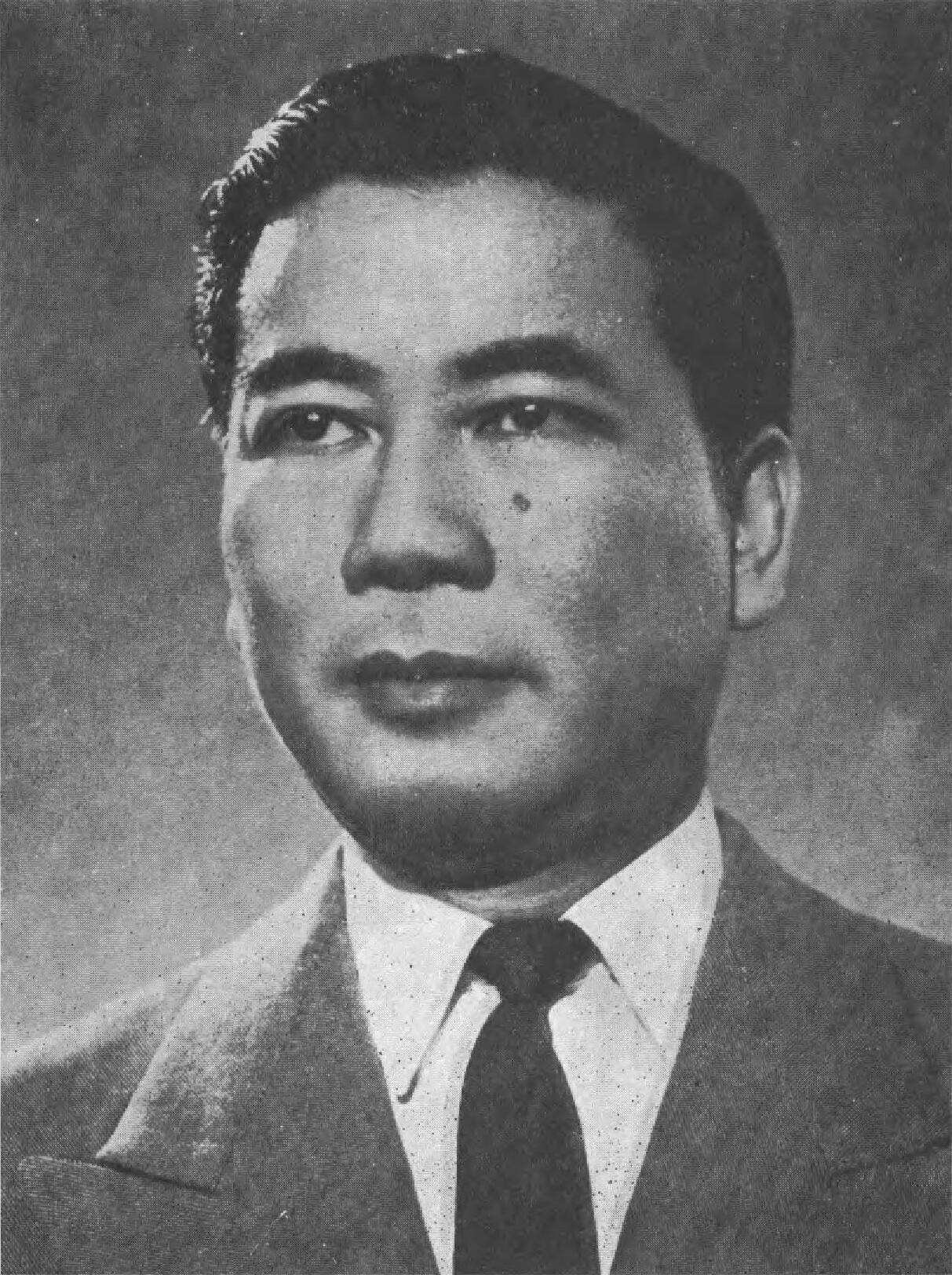
Lee Teng-hui (1923–2020) is remembered as a key figure from Taiwan, known for their role: President of the Republic of China.
Why is Lee Teng-hui important?
Lee Teng-hui stands out in history for a specific reason: Became the fourth president of the Republic of China (Taiwan) in 1988, and its first Taiwan-born leader. Their story helps place major events, ideas, and cultural change in a wider historical context.
Key achievements
- Became the fourth president of the Republic of China (Taiwan) in 1988, and its first Taiwan-born leader
- Served as chairman of the ruling Kuomintang party from 1988 to 2000
- Oversaw Taiwan's transition from authoritarian one-party rule to multi-party democracy
- Became Taiwan's first directly elected president in 1996
A fast fact
Lee Teng-hui presided over the end of Taiwan's decades-long martial law era and led its transition to full multi-party democracy, culminating in his own direct election as president in 1996.
Legacy
Lee Teng-hui is often called the 'Father of Taiwanese Democracy' for his role in guiding the island's peaceful transition to full democratic governance.
Taiwanmodern erarulers
What is Lee Teng-hui best known for?
The first Taiwan-born president of the Republic of China, who oversaw Taiwan's democratic transition and became its first directly elected leader.
When and where did Lee Teng-hui live?
Lee Teng-hui was born in Sanshi, Taiwan (1923–2020) and died in Taipei, Taiwan.
What is Lee Teng-hui's lasting legacy?
Lee Teng-hui is often called the 'Father of Taiwanese Democracy' for his role in guiding the island's peaceful transition to full democratic governance.
How can I learn more about Lee Teng-hui?
Use this profile as a starting point, then consult a library, museum, encyclopedia, or primary-source collection for deeper study.