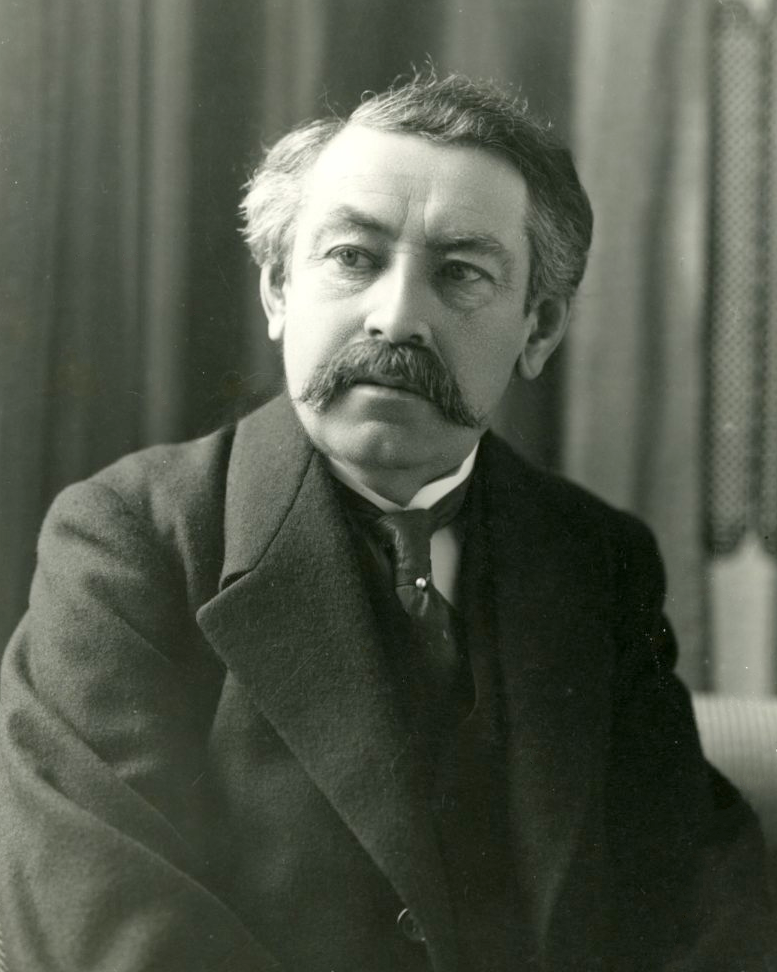
Max Planck (1858–1947) is remembered as a key figure from Germany, known for their role: Theoretical physicist.
Why is Max Planck important?
Max Planck stands out in history for a specific reason: Discovered that energy is emitted and absorbed in discrete units, or quanta, in 1900. Their story helps place major events, ideas, and cultural change in a wider historical context.
Key achievements
- Discovered that energy is emitted and absorbed in discrete units, or quanta, in 1900.
- Won the 1918 Nobel Prize in Physics for his discovery of energy quanta.
- Laid the foundational groundwork for the field of quantum mechanics.
- Served as a leading figure in German physics institutions for decades.
A fast fact
Planck's 1900 discovery of quantized energy, originally intended to solve a specific problem in thermal radiation, unexpectedly launched the field of quantum mechanics that would revolutionize physics in the following decades.
Legacy
Planck's discovery of quantized energy is considered the founding moment of quantum theory, one of the two pillars of modern physics alongside relativity.
germanymodern erascientistseuropephysicists
What is Max Planck best known for?
Max Planck was a German theoretical physicist whose discovery of energy quanta in 1900 launched the field of quantum physics, earning him the 1918 Nobel Prize in Physics.
When and where did Max Planck live?
Max Planck was born in Kiel, Germany (1858–1947) and died in Göttingen, Germany.
What is Max Planck's lasting legacy?
Planck's discovery of quantized energy is considered the founding moment of quantum theory, one of the two pillars of modern physics alongside relativity.
How can I learn more about Max Planck?
Use this profile as a starting point, then consult a library, museum, encyclopedia, or primary-source collection for deeper study.
.jpg?width=900)
.jpg?width=900)