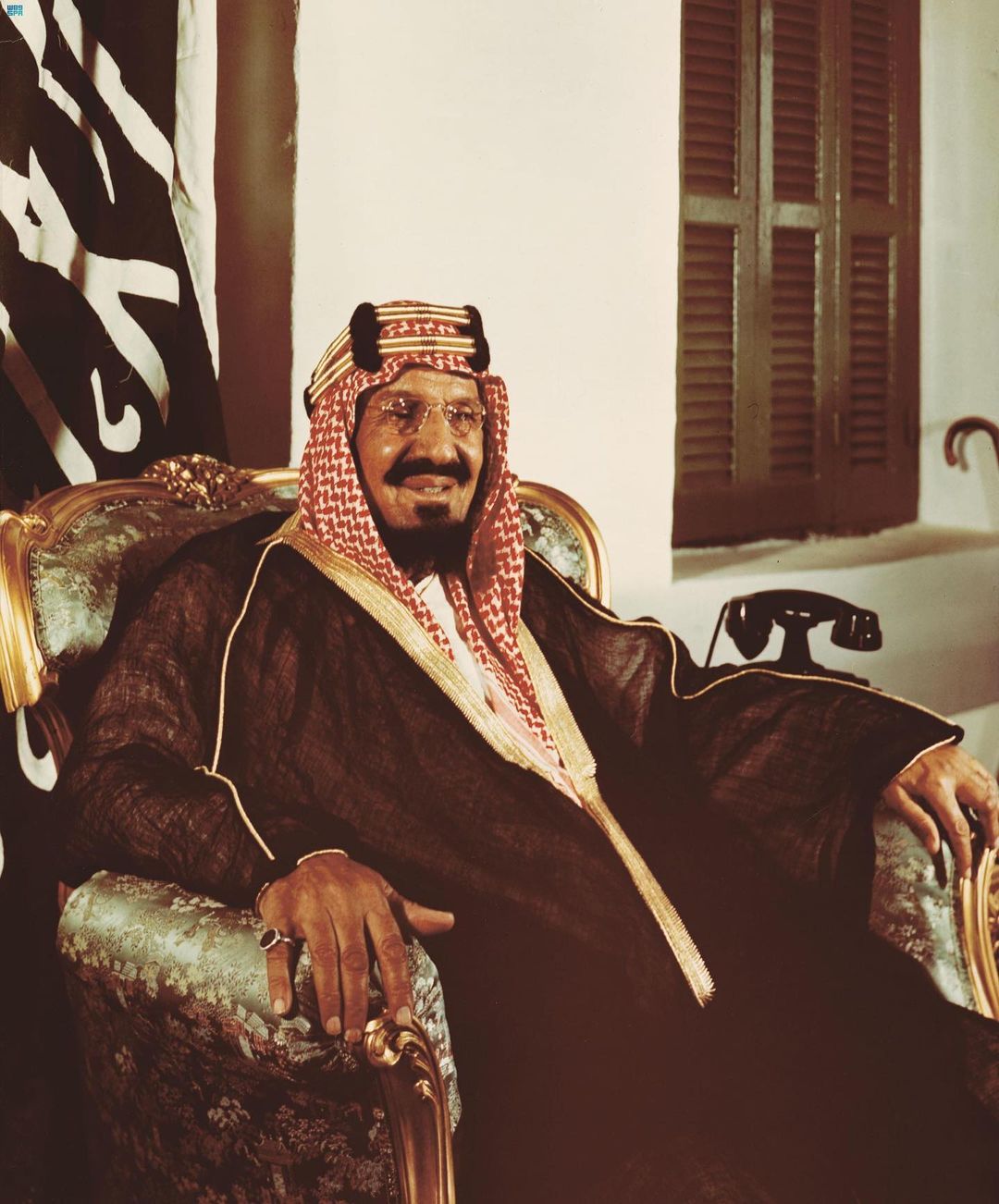
Mubarak Al-Sabah (1840–1915) is remembered as a key figure from Kuwait, known for their role: Ruler of the Sheikhdom of Kuwait.
Why is Mubarak Al-Sabah important?
Mubarak Al-Sabah stands out in history for a specific reason: Seized the rulership of Kuwait in 1896 by assassinating his half-brother and predecessor Muhammad Al-Sabah, along with Muhammad's brother and adviser Jarrah. Their story helps place major events, ideas, and cultural change in a wider historical context.
Key achievements
- Seized the rulership of Kuwait in 1896 by assassinating his half-brother and predecessor Muhammad Al-Sabah, along with Muhammad's brother and adviser Jarrah
- Ruled the Sheikhdom of Kuwait from 1896 until his death in 1915
- Negotiated a 1899 agreement with Britain that placed Kuwait under British protection, shielding it from Ottoman control
- Established the foundations of the Al-Sabah dynasty that continues to rule Kuwait today
A fast fact
Kuwait's constitution requires its ruling Emir to be a direct descendant of Mubarak Al-Sabah, a lasting legacy of the dynasty he secured through violence in 1896.
Legacy
Mubarak Al-Sabah is remembered in Kuwait as a founding figure who secured the country's autonomy through British protection, despite the violent means by which he first seized power.
Kuwaitmodern erarulers
What is Mubarak Al-Sabah best known for?
Known as Mubarak the Great, he seized the rulership of Kuwait by assassinating his half-brother and half-brother's adviser, then went on to shape the foundations of the modern Kuwaiti state.
When and where did Mubarak Al-Sabah live?
Mubarak Al-Sabah was born in Kuwait City, Sheikhdom of Kuwait (1840–1915) and died in Kuwait City, Sheikhdom of Kuwait.
What is Mubarak Al-Sabah's lasting legacy?
Mubarak Al-Sabah is remembered in Kuwait as a founding figure who secured the country's autonomy through British protection, despite the violent means by which he first seized power.
How can I learn more about Mubarak Al-Sabah?
Use this profile as a starting point, then consult a library, museum, encyclopedia, or primary-source collection for deeper study.