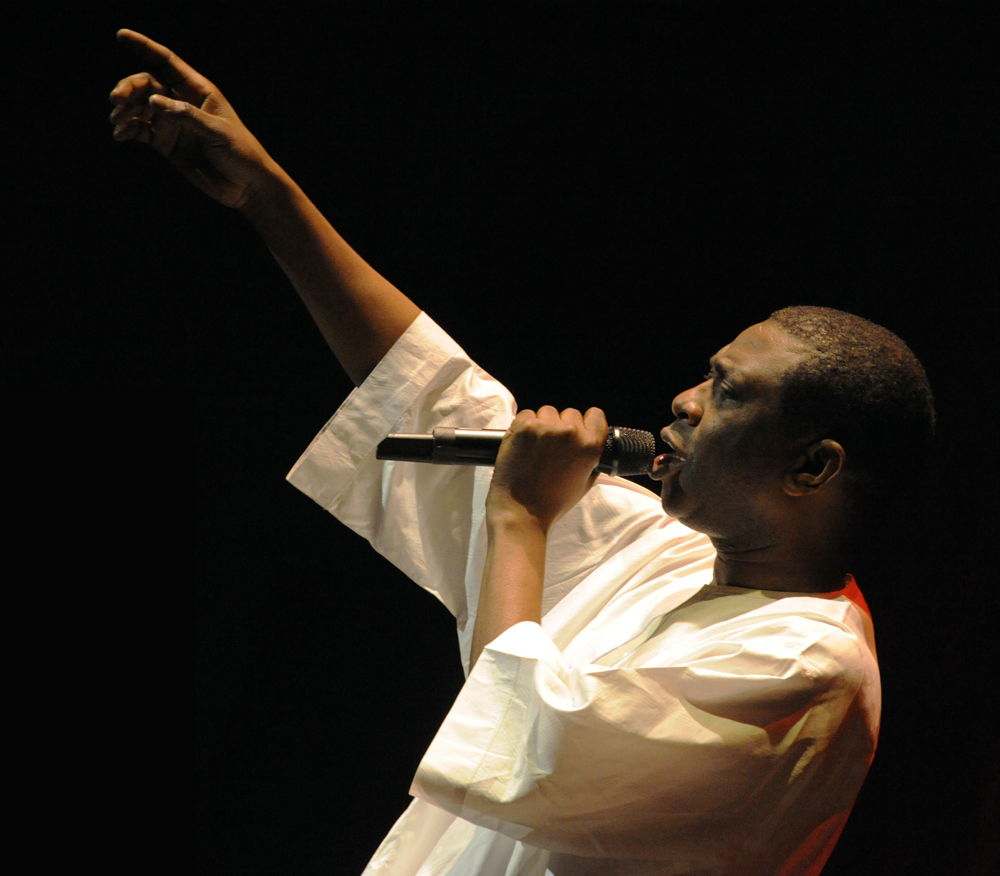
Nelson Mandela (1918–2013) is remembered as a key figure from South Africa, known for their role: President & anti-apartheid leader.
Why is Nelson Mandela important?
Nelson Mandela stands out in history for a specific reason: Co-founded the African National Congress Youth League and organized anti-apartheid resistance. Their story helps place major events, ideas, and cultural change in a wider historical context.
Key achievements
- Co-founded the African National Congress Youth League and organized anti-apartheid resistance
- Served 27 years in prison for his opposition to apartheid before his release in 1990
- Negotiated a peaceful transition to multiracial democracy alongside President F. W. de Klerk
- Became South Africa's first democratically elected president in 1994
A fast fact
Mandela shared the 1993 Nobel Peace Prize with F. W. de Klerk.
In their own words
“Never, never and never again shall it be that this beautiful land will again experience the oppression of one by another.”Presidential Inauguration Speech, Pretoria, May 10, 1994
“I have cherished the ideal of a democratic and free society in which all persons live together in harmony and with equal opportunities. It is an ideal which I hope to live for and to achieve. But if needs be, it is an ideal for which I am prepared to die.”Statement from the dock, Rivonia Trial, Pretoria, April 20, 1964
Legacy
Mandela is remembered globally as a symbol of reconciliation and resistance to institutionalized racism. His presidency emphasized truth, reconciliation, and nation-building after decades of apartheid rule.
South Africacivil rightsleadersmodern history
What is Nelson Mandela best known for?
A South African leader who helped end apartheid and became the country's first democratically elected president.
When and where did Nelson Mandela live?
Nelson Mandela was born in Mvezo, South Africa (1918–2013) and died in Johannesburg, South Africa.
What is Nelson Mandela's lasting legacy?
Mandela is remembered globally as a symbol of reconciliation and resistance to institutionalized racism. His presidency emphasized truth, reconciliation, and nation-building after decades of apartheid rule.
How can I learn more about Nelson Mandela?
Use this profile as a starting point, then consult a library, museum, encyclopedia, or primary-source collection for deeper study.