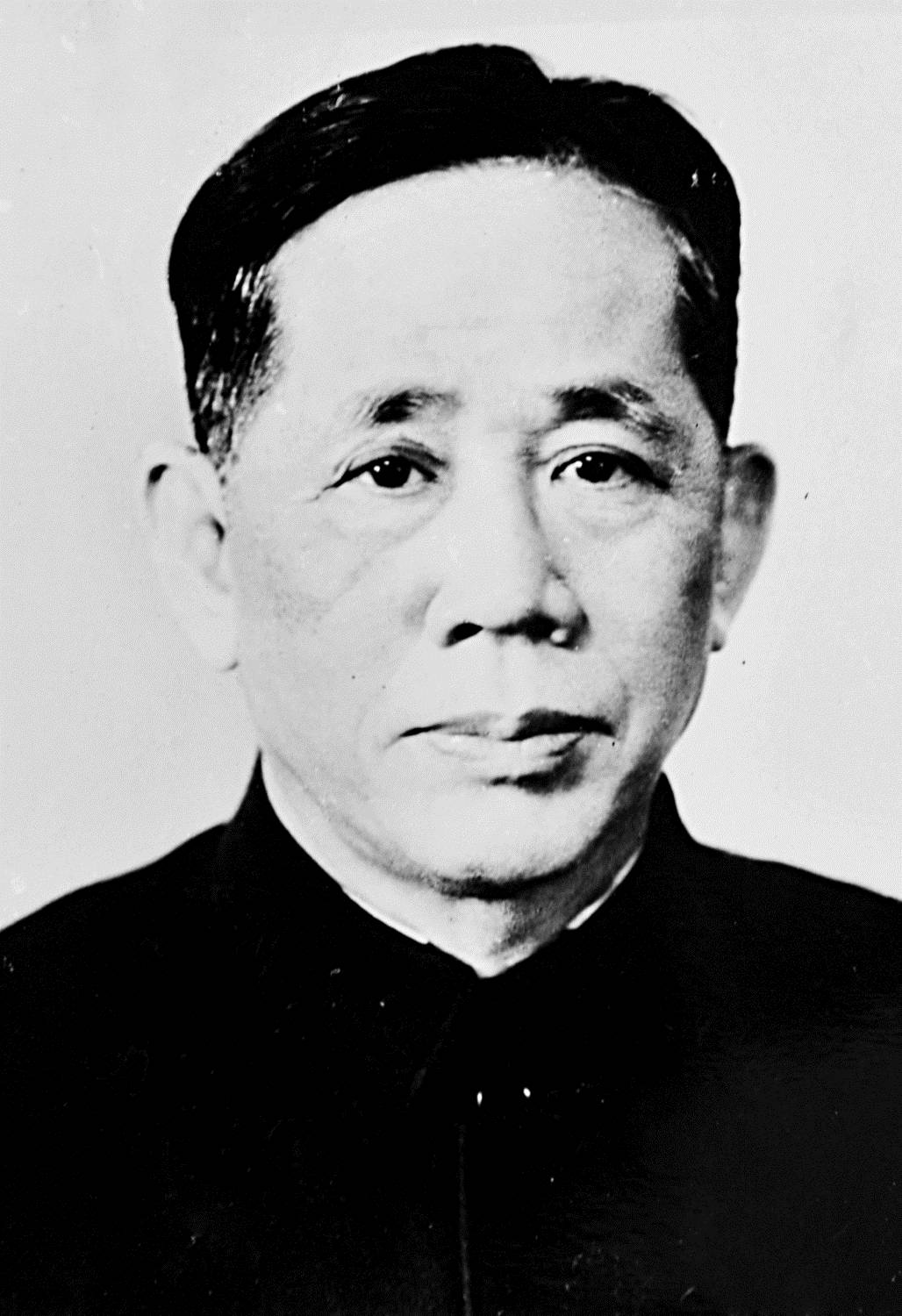
Norodom Sihanouk (1922–2012) is remembered as a key figure from Cambodia, known for their role: King & Head of State of Cambodia.
Why is Norodom Sihanouk important?
Norodom Sihanouk stands out in history for a specific reason: Served as King of Cambodia in two separate periods, 1941–1955 and 1993–2004. Their story helps place major events, ideas, and cultural change in a wider historical context.
Key achievements
- Served as King of Cambodia in two separate periods, 1941–1955 and 1993–2004
- Led Cambodia to independence from French colonial rule in the 1950s
- Remained a central figure of state across multiple Cambodian political regimes
- Returned as monarch after the end of Khmer Rouge rule and Cambodia's civil conflicts
A fast fact
Sihanouk was known as 'the Pink Prince' and reigned across French colonial rule, independence, civil war, and the Khmer Rouge era.
Legacy
Sihanouk's decades at the center of Cambodian political life make him a defining, if complex, figure in the country's modern history.
Cambodiamodern historymonarchsAsia
What is Norodom Sihanouk best known for?
King, Chief of State, and Prime Minister of Cambodia across multiple regimes spanning colonial rule to restored kingdom.
When and where did Norodom Sihanouk live?
Norodom Sihanouk was born in Phnom Penh, Cambodia (1922–2012) and died in Beijing, China.
What is Norodom Sihanouk's lasting legacy?
Sihanouk's decades at the center of Cambodian political life make him a defining, if complex, figure in the country's modern history.
How can I learn more about Norodom Sihanouk?
Use this profile as a starting point, then consult a library, museum, encyclopedia, or primary-source collection for deeper study.