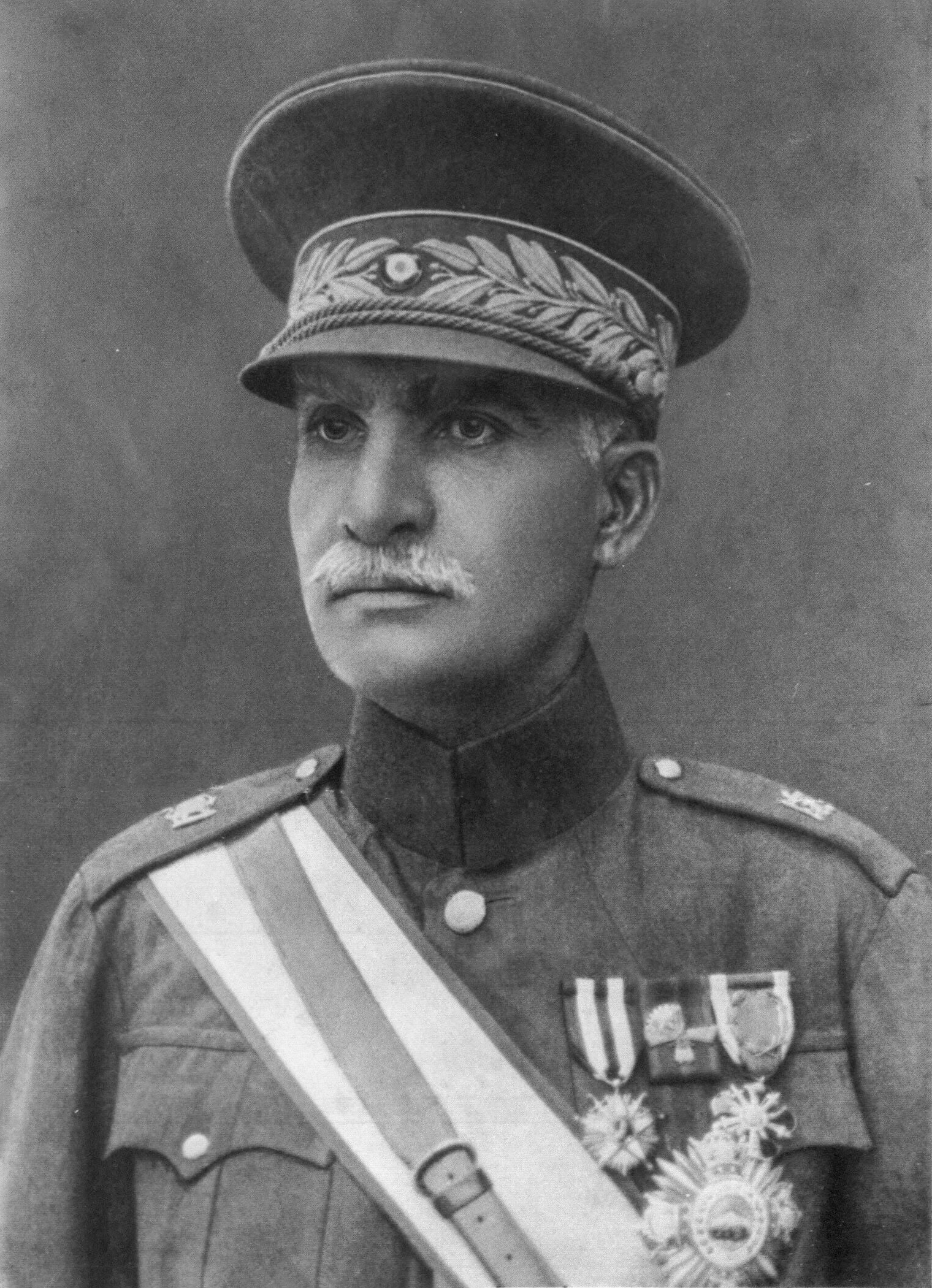
Shirin Ebadi (born 1947) is remembered as a key figure from Iran, known for their role: Lawyer and human rights activist.
Why is Shirin Ebadi important?
Shirin Ebadi stands out in history for a specific reason: Became one of Iran's first female judges before the 1979 Islamic Revolution. Their story helps place major events, ideas, and cultural change in a wider historical context.
Key achievements
- Became one of Iran's first female judges before the 1979 Islamic Revolution.
- Founded the Defenders of Human Rights Center in Iran.
- Advocated for democracy, women's rights, and children's rights within Iran's legal system.
- Won the Nobel Peace Prize in 2003, the first Iranian and first Muslim woman to do so.
A fast fact
Ebadi was one of Iran's first female judges before the 1979 Islamic Revolution, after which women were barred from serving as judges, prompting her to become a human rights lawyer instead.
Legacy
Ebadi remains one of the most prominent human rights advocates from the Middle East, continuing her activism internationally after being forced into exile from Iran.
iranmodern eranobel prizemiddle eastwomen in history
What is Shirin Ebadi best known for?
Shirin Ebadi is an Iranian lawyer and human rights activist who became the first Iranian and first Muslim woman to win the Nobel Peace Prize, awarded in 2003 for her work on democracy and human rights.
When and where did Shirin Ebadi live?
Shirin Ebadi was born in Hamadan, Iran (born 1947) and died in N/A.
What is Shirin Ebadi's lasting legacy?
Ebadi remains one of the most prominent human rights advocates from the Middle East, continuing her activism internationally after being forced into exile from Iran.
How can I learn more about Shirin Ebadi?
Use this profile as a starting point, then consult a library, museum, encyclopedia, or primary-source collection for deeper study.