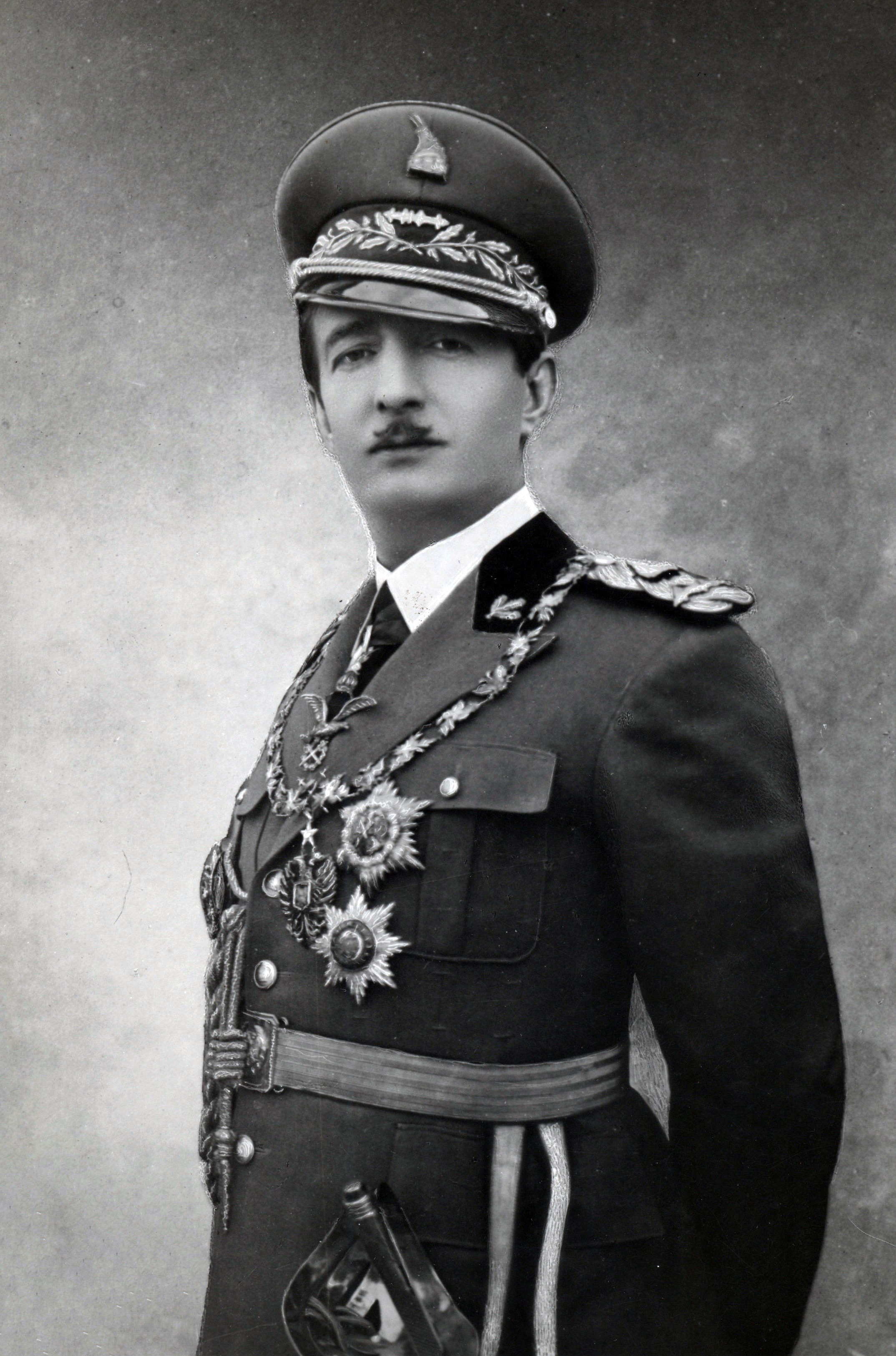
Stanislau Shushkevich (1934–2022) is remembered as a key figure from Belarus, known for their role: First head of state of independent Belarus.
Why is Stanislau Shushkevich important?
Stanislau Shushkevich stands out in history for a specific reason: Worked as a physicist and academic before entering politics during the Soviet Union's final years. Their story helps place major events, ideas, and cultural change in a wider historical context.
Key achievements
- Worked as a physicist and academic before entering politics during the Soviet Union's final years
- Became the first chairman of the Supreme Soviet of independent Belarus in 1991
- Co-signed the Belavezha Accords establishing the Commonwealth of Independent States
- Later became a prominent opposition figure against President Alexander Lukashenko
A fast fact
Shushkevich was one of three leaders, alongside the heads of Russia and Ukraine, who signed the December 1991 agreement establishing the Commonwealth of Independent States and effectively dissolving the Soviet Union.
Legacy
Shushkevich is remembered as a key figure in the peaceful dissolution of the Soviet Union and Belarus's early transition to independence, later becoming a vocal critic of the authoritarian government that followed him.
Belarusmodern erarulersscientists
What is Stanislau Shushkevich best known for?
A physicist and politician who became the first head of state of independent Belarus and helped establish the Commonwealth of Independent States after the Soviet Union's collapse.
When and where did Stanislau Shushkevich live?
Stanislau Shushkevich was born in Minsk, Soviet Union (1934–2022) and died in Minsk, Belarus.
What is Stanislau Shushkevich's lasting legacy?
Shushkevich is remembered as a key figure in the peaceful dissolution of the Soviet Union and Belarus's early transition to independence, later becoming a vocal critic of the authoritarian government that followed him.
How can I learn more about Stanislau Shushkevich?
Use this profile as a starting point, then consult a library, museum, encyclopedia, or primary-source collection for deeper study.