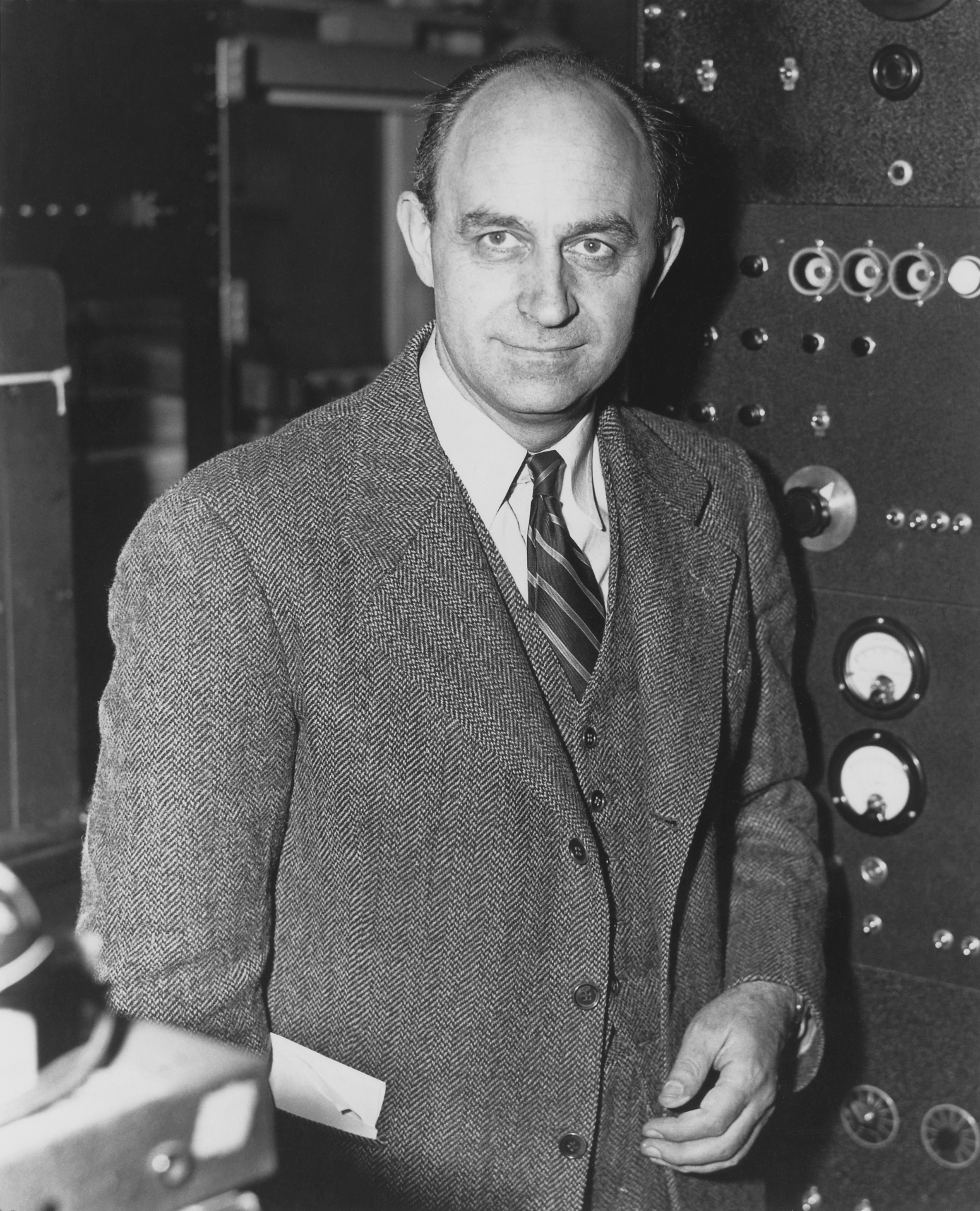
Stephen Hawking (1942–2018) is remembered as a key figure from United Kingdom, known for their role: Theoretical physicist & cosmologist.
Why is Stephen Hawking important?
Stephen Hawking stands out in history for a specific reason: Held the Lucasian Professor of Mathematics chair at Cambridge from 1979 to 2009. Their story helps place major events, ideas, and cultural change in a wider historical context.
Key achievements
- Held the Lucasian Professor of Mathematics chair at Cambridge from 1979 to 2009
- Made significant contributions to theoretical cosmology and astrophysics
- Directed research at the Centre for Theoretical Cosmology at Cambridge
- Authored widely read popular science books explaining cosmology to general audiences
A fast fact
Hawking served as director of research at the Centre for Theoretical Cosmology at the University of Cambridge.
Legacy
Hawking's contributions to cosmology and his ability to communicate complex physics to general audiences made him one of the most publicly recognized scientists of his era.
United Kingdommodern historyphysicistsscientists
What is Stephen Hawking best known for?
An English theoretical astrophysicist and cosmologist who held the Lucasian Professor of Mathematics chair at Cambridge.
When and where did Stephen Hawking live?
Stephen Hawking was born in Oxford, England (1942–2018) and died in Cambridge, England.
What is Stephen Hawking's lasting legacy?
Hawking's contributions to cosmology and his ability to communicate complex physics to general audiences made him one of the most publicly recognized scientists of his era.
How can I learn more about Stephen Hawking?
Use this profile as a starting point, then consult a library, museum, encyclopedia, or primary-source collection for deeper study.