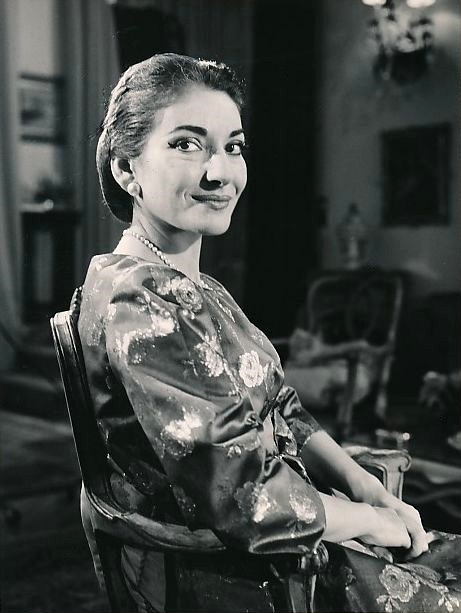
Todor Zhivkov (1911–1998) is remembered as a key figure from Bulgaria, known for their role: Leader of Bulgaria.
Why is Todor Zhivkov important?
Todor Zhivkov stands out in history for a specific reason: Became de facto leader of the People's Republic of Bulgaria in 1956. Their story helps place major events, ideas, and cultural change in a wider historical context.
Key achievements
- Became de facto leader of the People's Republic of Bulgaria in 1956.
- Governed Bulgaria continuously for 33 years, the longest tenure in the Eastern Bloc.
- Was the longest-serving leader within the Warsaw Pact during the Cold War.
- Was removed from power in 1989 amid the broader collapse of communist governments in Eastern Europe.
A fast fact
Zhivkov's 33-year rule made him the longest-serving leader in the entire Eastern Bloc, and his removal from power in 1989 came during the same wave of upheavals that saw the fall of communist governments across Eastern Europe.
Legacy
Zhivkov's unusually long tenure makes him a significant figure in the history of the Eastern Bloc, and his 1989 removal marked Bulgaria's entry into the wave of democratic transitions across the region.
bulgariamodern erapresidentseurope
What is Todor Zhivkov best known for?
Todor Zhivkov served as the de facto leader of communist Bulgaria from 1956 to 1989, becoming the longest-serving leader in the entire Eastern Bloc during the Cold War.
When and where did Todor Zhivkov live?
Todor Zhivkov was born in Pravets, Bulgaria (1911–1998) and died in Sofia, Bulgaria.
What is Todor Zhivkov's lasting legacy?
Zhivkov's unusually long tenure makes him a significant figure in the history of the Eastern Bloc, and his 1989 removal marked Bulgaria's entry into the wave of democratic transitions across the region.
How can I learn more about Todor Zhivkov?
Use this profile as a starting point, then consult a library, museum, encyclopedia, or primary-source collection for deeper study.