Zaha Hadid (1950–2016) is remembered as a key figure from United Kingdom, known for their role: Architect.
Why is Zaha Hadid important?
Zaha Hadid stands out in history for a specific reason: Became the first woman to win the Pritzker Architecture Prize in 2004. Their story helps place major events, ideas, and cultural change in a wider historical context.
Key achievements
- Became the first woman to win the Pritzker Architecture Prize in 2004.
- Designed numerous internationally recognized buildings known for their bold, futuristic curves.
- Became a key figure in the architecture of the late 20th and early 21st centuries.
- Broke significant barriers for women in the architecture profession.
A fast fact
Hadid became the first woman to win the Pritzker Architecture Prize, widely considered the field's highest honor, when she received it in 2004.
Legacy
Hadid's distinctive, boundary-pushing architectural style left a lasting mark on contemporary architecture, and her achievements opened doors for greater recognition of women in the field.
united kingdommodern eraartistseuropewomen in history
What is Zaha Hadid best known for?
Zaha Hadid was an Iraqi-British architect known for her boldly futuristic, curving designs, and was the first woman to win the Pritzker Architecture Prize.
When and where did Zaha Hadid live?
Zaha Hadid was born in Baghdad, Iraq (1950–2016) and died in Miami, Florida, United States.
What is Zaha Hadid's lasting legacy?
Hadid's distinctive, boundary-pushing architectural style left a lasting mark on contemporary architecture, and her achievements opened doors for greater recognition of women in the field.
How can I learn more about Zaha Hadid?
Use this profile as a starting point, then consult a library, museum, encyclopedia, or primary-source collection for deeper study.
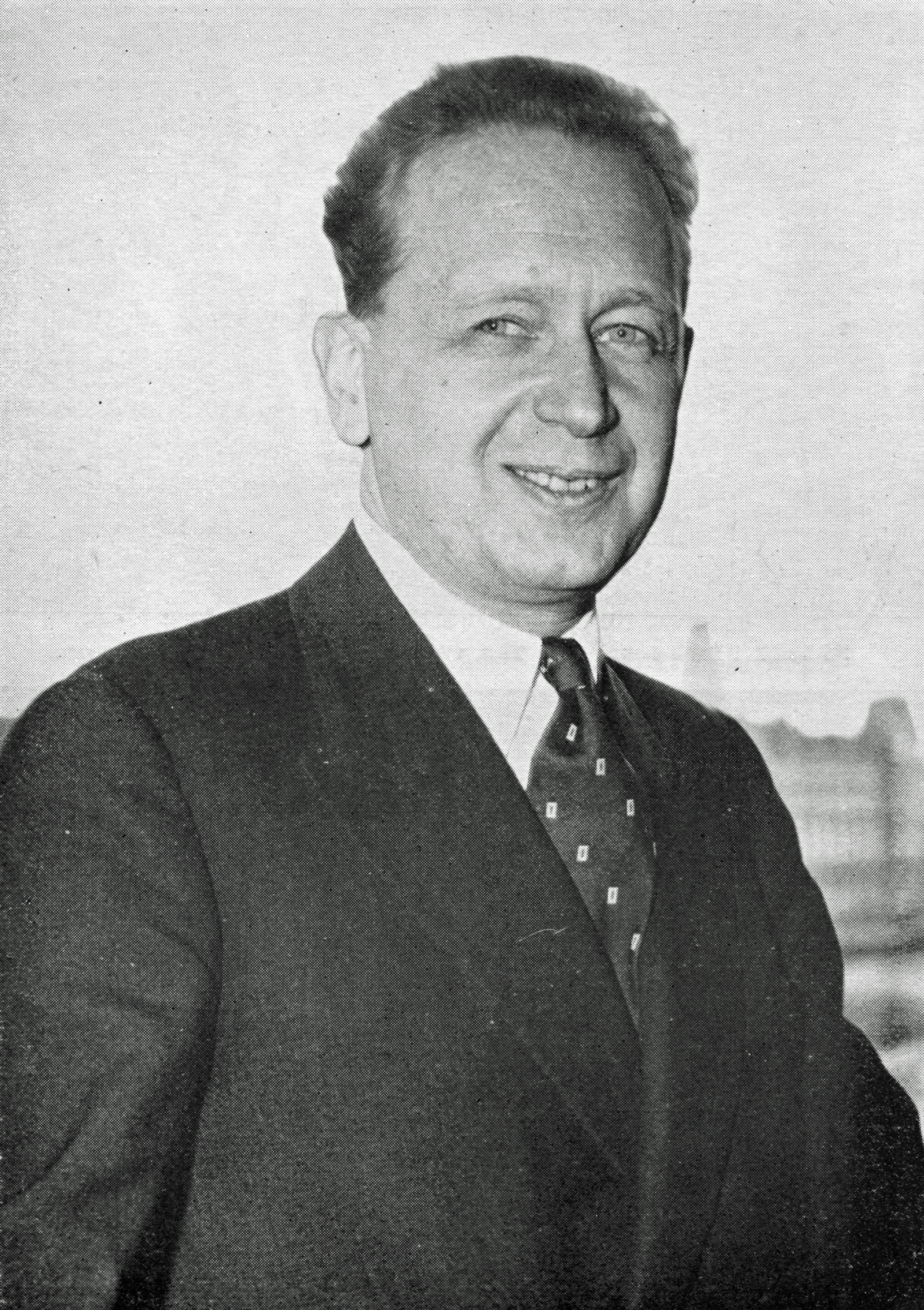
1.jpg?width=900)
