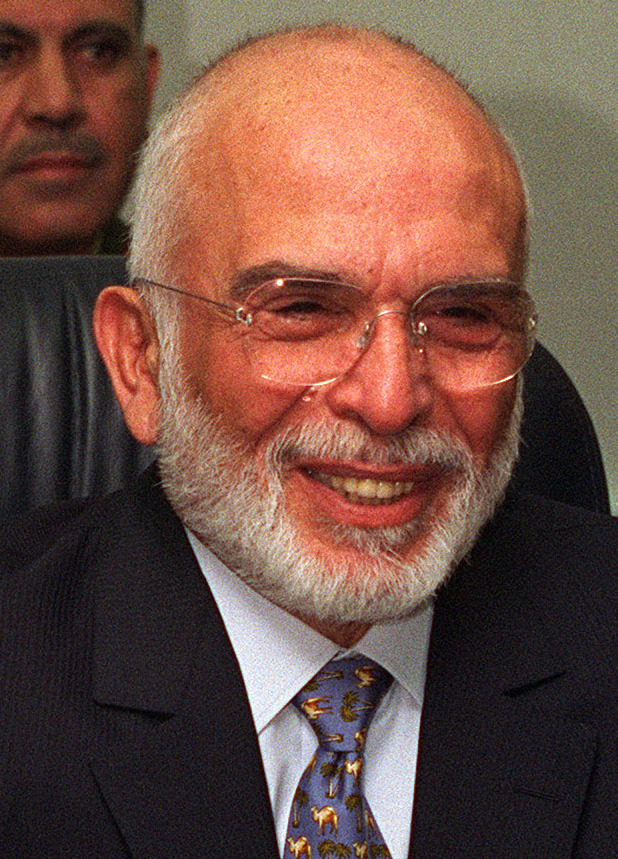
Abdullah I of Jordan (1882–1951) is remembered as a key figure from Jordan, known for their role: Founding ruler of Jordan.
Why is Abdullah I of Jordan important?
Abdullah I of Jordan stands out in history for a specific reason: Became Emir of Transjordan under British protectorate status in 1921. Their story helps place major events, ideas, and cultural change in a wider historical context.
Key achievements
- Became Emir of Transjordan under British protectorate status in 1921.
- Guided the territory toward full independence, becoming King of Jordan in 1946.
- Ruled Jordan for three decades, establishing the foundations of the modern Hashemite kingdom.
- Was assassinated in Jerusalem in 1951.
A fast fact
Abdullah I was assassinated in Jerusalem in 1951 while attending Friday prayers, an event that brought his three-decade rule to an abrupt and violent end.
Legacy
Abdullah I is remembered as the founding ruler of modern Jordan, and the Hashemite dynasty he established has continued to govern the country in the generations since his assassination.
jordanmodern erafoundersmiddle eastmonarchs
What is Abdullah I of Jordan best known for?
Abdullah I founded and ruled Jordan from 1921 until his assassination in 1951, transitioning the territory from a British protectorate under his emirate to a fully independent kingdom.
When and where did Abdullah I of Jordan live?
Abdullah I of Jordan was born in Mecca, Ottoman Empire (present-day Saudi Arabia) (1882–1951) and died in Jerusalem.
What is Abdullah I of Jordan's lasting legacy?
Abdullah I is remembered as the founding ruler of modern Jordan, and the Hashemite dynasty he established has continued to govern the country in the generations since his assassination.
How can I learn more about Abdullah I of Jordan?
Use this profile as a starting point, then consult a library, museum, encyclopedia, or primary-source collection for deeper study.