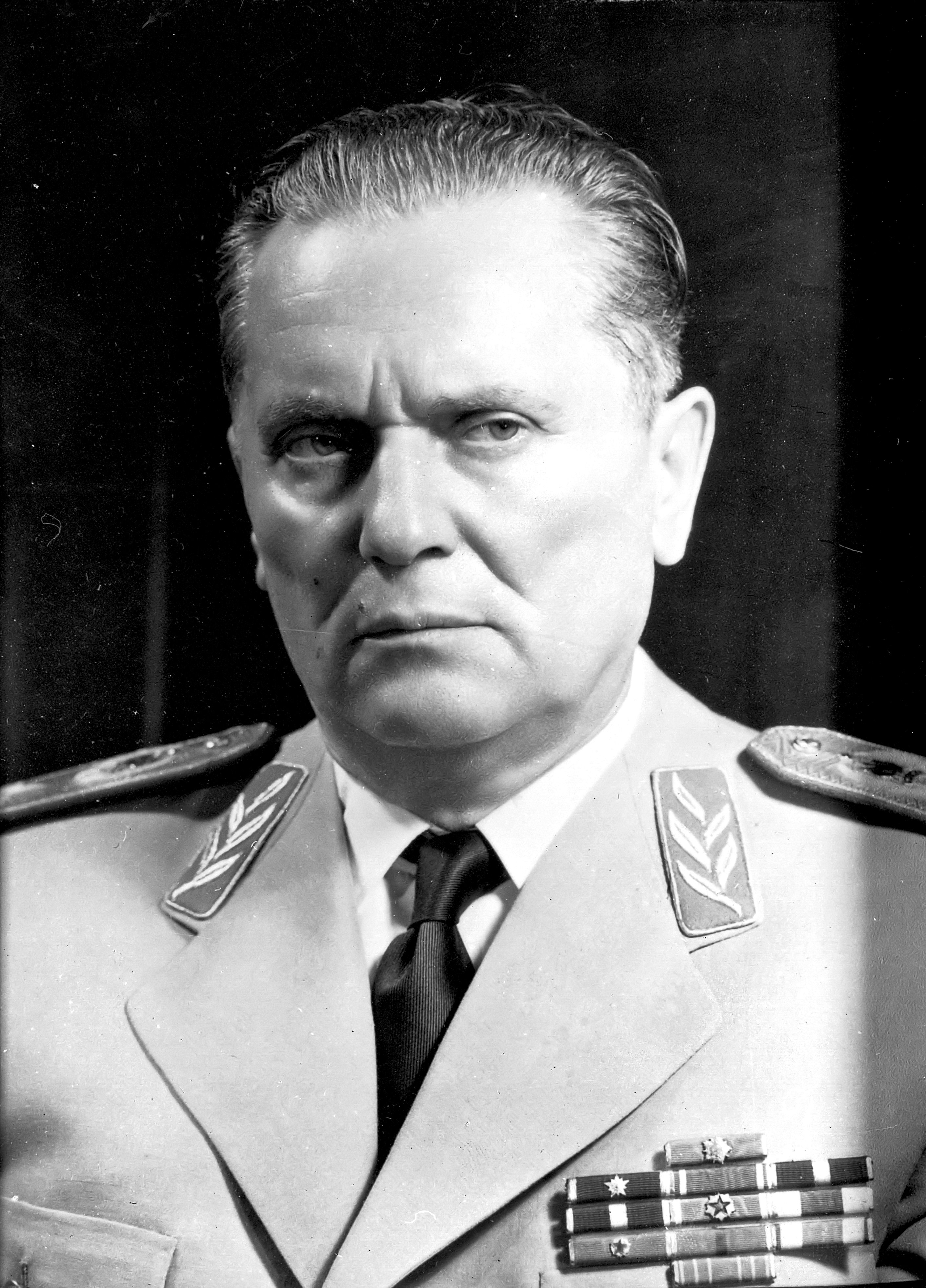
Aristide Briand (1862–1932) is remembered as a key figure from France, known for their role: Statesman.
Why is Aristide Briand important?
Aristide Briand stands out in history for a specific reason: Served eleven separate terms as Prime Minister of France during the Third Republic. Their story helps place major events, ideas, and cultural change in a wider historical context.
Key achievements
- Served eleven separate terms as Prime Minister of France during the Third Republic.
- Helped negotiate the Locarno Treaties aimed at Franco-German reconciliation in 1925.
- Shared the Nobel Peace Prize in 1926 for his interwar diplomatic efforts.
- Advocated for early concepts of European political and economic integration.
A fast fact
Briand shared the 1926 Nobel Peace Prize for his role in negotiating the Locarno Treaties, a series of agreements aimed at reconciling France and Germany in the years following World War I.
Legacy
Briand's interwar diplomacy and early advocacy for European unity are viewed by historians as important precursors to the post-World War II movement toward European integration.
francemodern erastatesmeneuropenobel prize
What is Aristide Briand best known for?
Aristide Briand served eleven terms as Prime Minister of France during the Third Republic, becoming best known for his focus on international reconciliation during the interwar period.
When and where did Aristide Briand live?
Aristide Briand was born in Nantes, France (1862–1932) and died in Paris, France.
What is Aristide Briand's lasting legacy?
Briand's interwar diplomacy and early advocacy for European unity are viewed by historians as important precursors to the post-World War II movement toward European integration.
How can I learn more about Aristide Briand?
Use this profile as a starting point, then consult a library, museum, encyclopedia, or primary-source collection for deeper study.
_(cropped).jpg?width=900)