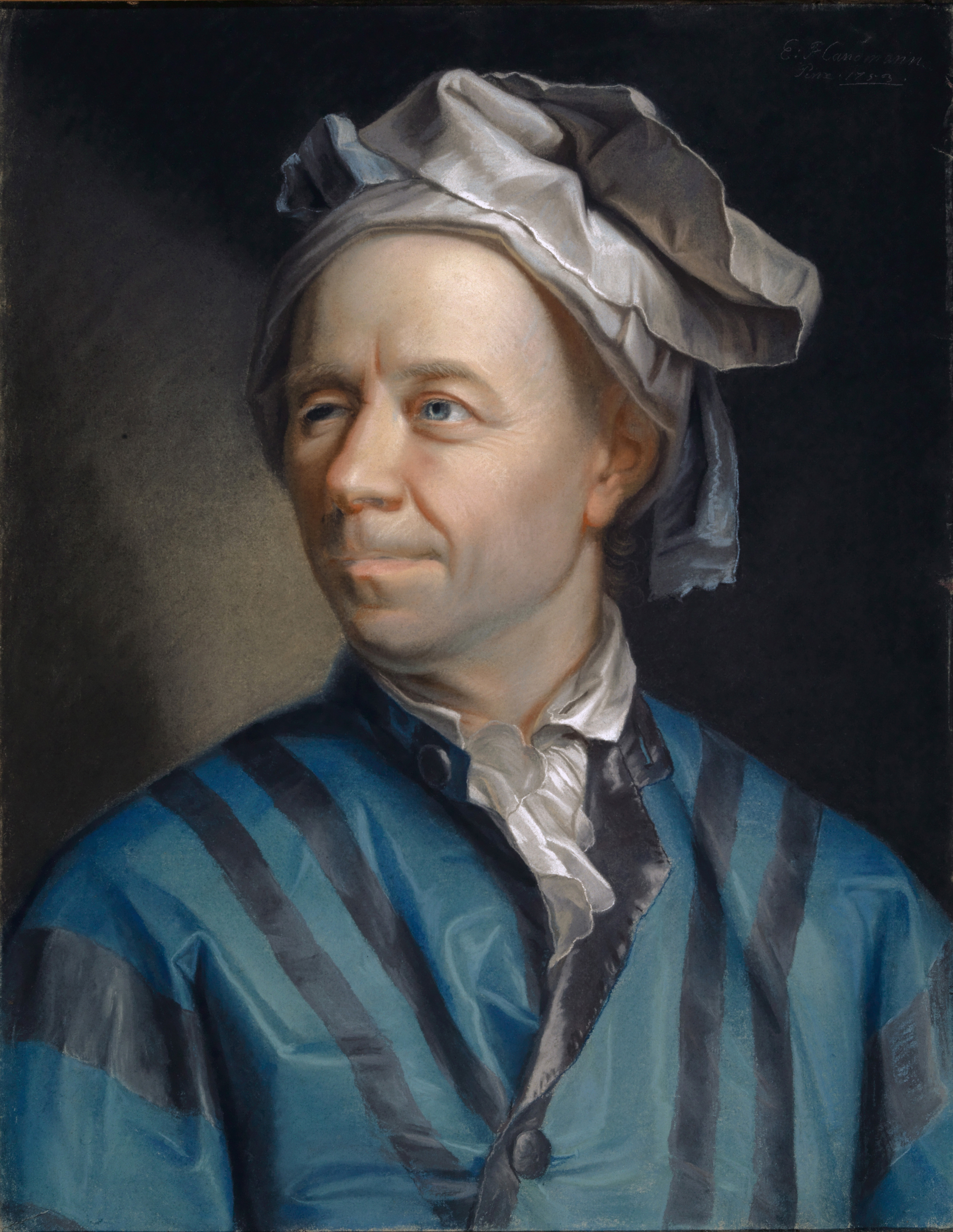
Diego Velazquez (1599–1660) is remembered as a key figure from Spain, known for their role: Painter.
Why is Diego Velazquez important?
Diego Velazquez stands out in history for a specific reason: Served as court painter to King Philip IV of Spain for most of his career. Their story helps place major events, ideas, and cultural change in a wider historical context.
Key achievements
- Served as court painter to King Philip IV of Spain for most of his career
- Painted 'Las Meninas', widely regarded as one of the most important paintings in Western art
- Developed a loose, painterly brushwork technique admired by later artists including Manet and Picasso
- Traveled to Italy, studying and absorbing techniques from Venetian and Roman painters
A fast fact
Velazquez's masterpiece 'Las Meninas' places himself, the royal family, and a mirror reflection in a single scene, making it one of the most analyzed paintings in art history.
Legacy
Velazquez is regarded as the greatest painter of the Spanish Golden Age, and his technical innovations directly influenced Impressionist and modern painters centuries later.
SpainRenaissanceartists
What is Diego Velazquez best known for?
The leading painter of Spain's Golden Age, best known for 'Las Meninas', a complex masterwork of royal portraiture and self-reflection.
When and where did Diego Velazquez live?
Diego Velazquez was born in Seville, Spain (1599–1660) and died in Madrid, Spain.
What is Diego Velazquez's lasting legacy?
Velazquez is regarded as the greatest painter of the Spanish Golden Age, and his technical innovations directly influenced Impressionist and modern painters centuries later.
How can I learn more about Diego Velazquez?
Use this profile as a starting point, then consult a library, museum, encyclopedia, or primary-source collection for deeper study.