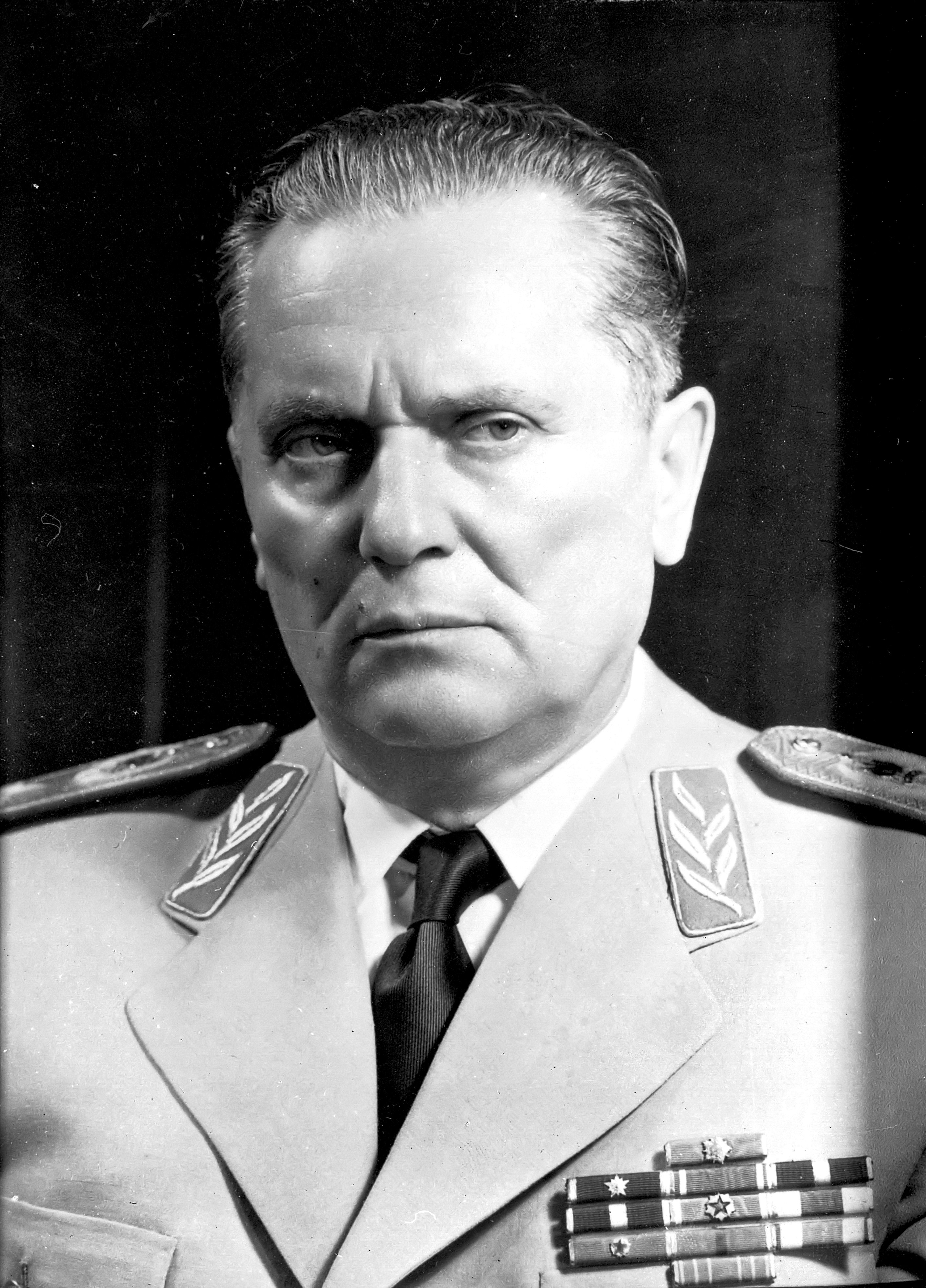
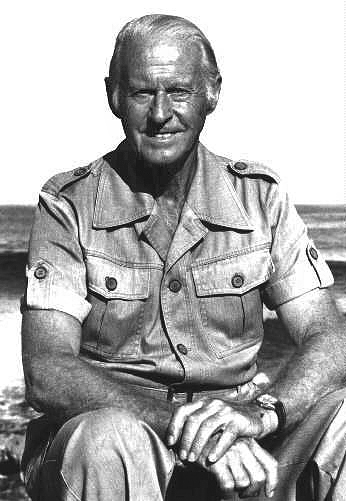
Wolfgang Pauli (1900–1958) is remembered as a key figure from Austria, known for their role: Theoretical physicist.
Why is Wolfgang Pauli important?
Wolfgang Pauli stands out in history for a specific reason: Formulated the Pauli exclusion principle, explaining atomic structure and chemical behavior. Their story helps place major events, ideas, and cultural change in a wider historical context.
Key achievements
- Formulated the Pauli exclusion principle, explaining atomic structure and chemical behavior.
- Won the 1945 Nobel Prize in Physics, nominated by Albert Einstein.
- Predicted the existence of the neutrino years before it was experimentally confirmed.
- Made significant contributions to the early development of quantum mechanics.
A fast fact
Pauli's exclusion principle, for which he won the 1945 Nobel Prize in Physics, explains why electrons occupy distinct energy levels around an atomic nucleus rather than all collapsing into the lowest energy state, a foundation for understanding the periodic table.
Legacy
Pauli's exclusion principle remains foundational to modern physics and chemistry, underlying our understanding of atomic structure, the periodic table, and the stability of matter.
austriamodern erascientistseuropephysicists
What is Wolfgang Pauli best known for?
Wolfgang Pauli was an Austrian theoretical physicist and pioneer of quantum mechanics, best known for formulating the exclusion principle that explains the structure of atoms.
When and where did Wolfgang Pauli live?
Wolfgang Pauli was born in Vienna, Austria (1900–1958) and died in Zurich, Switzerland.
What is Wolfgang Pauli's lasting legacy?
Pauli's exclusion principle remains foundational to modern physics and chemistry, underlying our understanding of atomic structure, the periodic table, and the stability of matter.
How can I learn more about Wolfgang Pauli?
Use this profile as a starting point, then consult a library, museum, encyclopedia, or primary-source collection for deeper study.
.jpg?width=900)